Cognitive Behavioral Therapy (CBT): What to Expect and Is It Right for You?
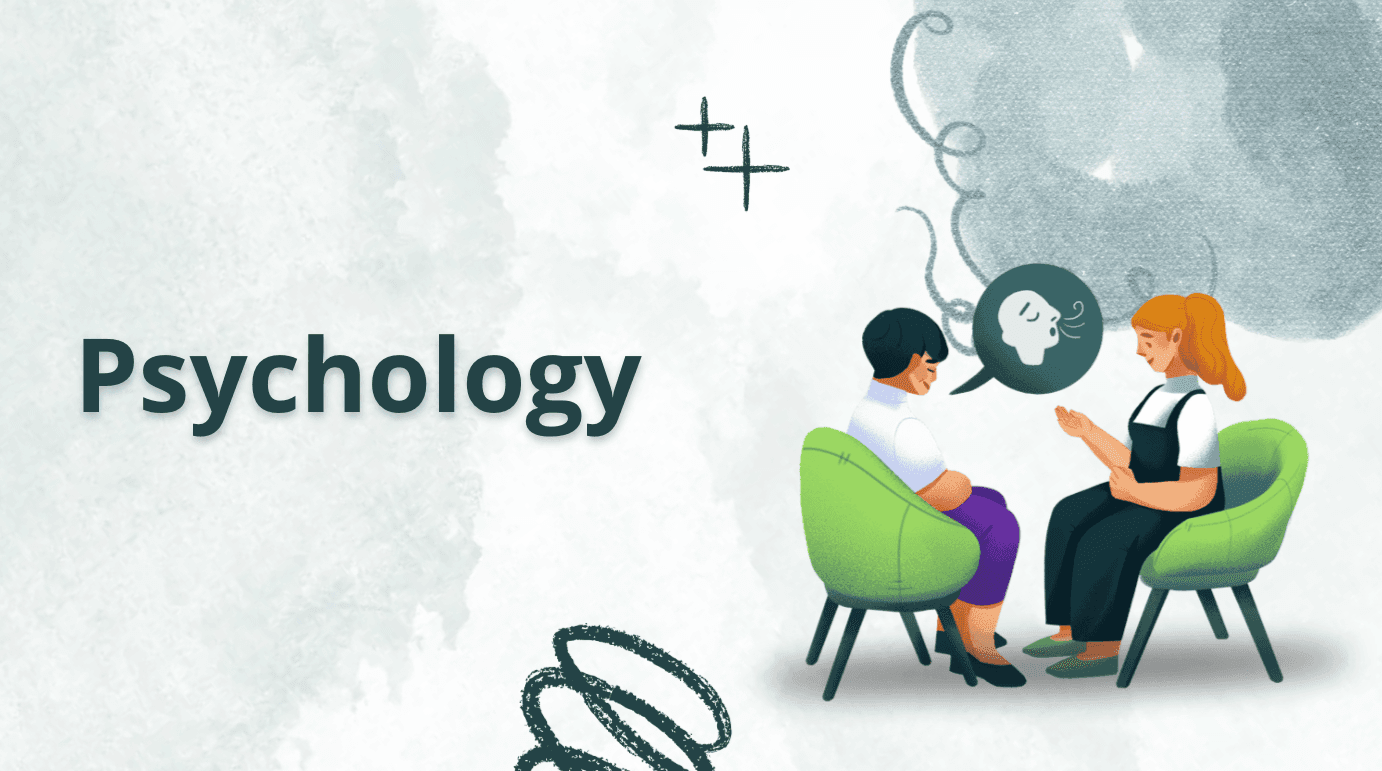
Sarah sits in her therapist's office, describing how her racing thoughts keep her awake at night. Her therapist pulls out a worksheet and asks her to identify the specific thoughts that trigger her anxiety. This scenario illustrates cognitive behavioral therapy (CBT) in action, a structured approach that examines the connections between thoughts, feelings, and behaviors. CBT has become one of the most widely practiced forms of therapy, but understanding what actually happens during sessions can help you determine if this approach matches your needs.
Understanding How CBT Works
Cognitive behavioral therapy operates on a straightforward premise: our thoughts, emotions, and behaviors continuously influence each other. When negative thought patterns take hold, they can create cycles that maintain mental health challenges. CBT therapists work with clients to identify these patterns and develop practical strategies for change.
During sessions, you and your therapist will examine specific situations that cause distress. Rather than spending extensive time exploring childhood experiences or unconscious motivations, CBT focuses primarily on current problems and immediate solutions. This present-focused approach makes CBT particularly effective for people dealing with anxiety, where catastrophic thinking patterns often fuel worry and avoidance behaviors.
The therapy typically involves homework assignments between sessions. These might include keeping thought records, practicing relaxation techniques, or gradually facing feared situations. Your therapist will collaborate with you to design these exercises, ensuring they feel manageable while still promoting growth.
What Actually Happens in CBT Sessions
Your first CBT session will likely involve goal-setting and problem identification. Your therapist will ask about specific situations that cause difficulty and help you articulate concrete changes you'd like to see. This differs from some other therapeutic approaches that begin with broad life exploration.
Most CBT sessions follow a structured format. Sessions typically start with a brief check-in about your week and any homework completion. You'll then focus on specific issues or skills, often using worksheets or exercises. Sessions usually conclude with planning the upcoming week's practice activities.
CBT therapists take an active, collaborative role. Expect your therapist to ask direct questions, offer suggestions, and teach specific techniques. This educational component distinguishes CBT from purely insight-oriented therapies. Your therapist might explain concepts like cognitive distortions or demonstrate breathing exercises during sessions.
The therapeutic relationship in CBT emphasizes partnership and problem-solving rather than interpretation or deep emotional processing. While emotions certainly arise and receive attention, the primary focus remains on developing practical coping strategies and changing problematic patterns.
Common Techniques You'll Encounter
CBT encompasses numerous specific techniques, each targeting different aspects of the thought-feeling-behavior cycle. Cognitive restructuring helps identify and challenge unhelpful thinking patterns. You might learn to recognize catastrophic thinking, all-or-nothing thoughts, or mind-reading assumptions that contribute to distress.
Behavioral experiments form another cornerstone of CBT. These involve testing beliefs through real-world actions. Someone with social anxiety might gradually increase social interactions to discover that their feared outcomes rarely occur. These experiments provide concrete evidence that challenges negative assumptions.
Exposure therapy, commonly used within CBT for anxiety and trauma and PTSD, involves gradual confrontation with avoided situations or memories. This technique helps reduce the power that certain triggers hold over your daily life. Your therapist will ensure exposures proceed at a manageable pace with adequate support.
Activity scheduling and behavioral activation prove particularly helpful for depression. These techniques involve planning and engaging in meaningful activities, even when motivation feels low. The goal is breaking cycles of inactivity and isolation that often maintain depressive symptoms.
Who Benefits Most from CBT
CBT works well for people who prefer structured, goal-oriented approaches to problem-solving. If you like understanding how things work and appreciate having specific tools to practice, CBT might align well with your learning style. The therapy suits individuals who want to focus on current problems rather than extensively exploring past experiences.
People dealing with anxiety disorders often find CBT particularly helpful. The therapy's emphasis on identifying and changing thought patterns directly addresses the cognitive components of anxiety. Whether you're experiencing generalized worry, panic attacks, or specific phobias, CBT offers concrete techniques for managing anxious thoughts and avoidance behaviors.
Depression also responds well to CBT approaches. The therapy helps identify negative thought patterns that maintain depressed mood and develops behavioral strategies for increasing positive experiences. CBT can be especially valuable if your depression involves significant rumination or social withdrawal.
Those facing relationship issues may benefit from CBT's communication skills training and problem-solving approaches. The therapy can help identify patterns in how you think about and respond to relationship conflicts, offering alternative approaches to connection and conflict resolution.
Considerations and Potential Limitations
CBT requires active participation and homework completion outside of sessions. If you prefer a more passive approach to therapy or have difficulty completing between-session assignments, this might create challenges. Success in CBT often depends on your willingness to practice new skills and gradually face uncomfortable situations.
Some people find CBT's structured approach too rigid or mechanical. If you're seeking deep emotional exploration or want to focus extensively on past experiences, you might prefer other therapeutic approaches. CBT's present-focus, while beneficial for many, doesn't suit everyone's therapeutic goals.
The therapy's emphasis on individual change might not address systemic or environmental factors contributing to distress. If your challenges stem primarily from external circumstances like discrimination, poverty, or trauma, CBT alone might feel insufficient. However, CBT can still provide valuable coping strategies while other supports address systemic issues.
Finding the Right CBT Therapist
CBT effectiveness depends significantly on finding a therapist who practices the approach skillfully and with whom you feel comfortable. Look for therapists who have specific training in CBT techniques and experience working with your particular concerns. Many therapists in major cities like New York, NY, Chicago, IL, and Los Angeles, CA offer CBT, but training levels and experience vary.
Geographic location shouldn't limit your options entirely. While in-person therapy offers certain advantages, many qualified CBT practitioners in areas like Brooklyn, NY and Denver, CO also provide teletherapy services, expanding your access to specialized care.
During initial consultations, ask potential therapists about their CBT training and typical session structure. A qualified CBT therapist should be able to explain their approach clearly and describe what you can expect from treatment. They should also be willing to discuss how CBT specifically addresses your presenting concerns.
Consider whether you want a therapist who practices CBT exclusively or one who integrates CBT with other approaches. Some therapists combine CBT with mindfulness techniques, acceptance-based strategies, or interpersonal therapy elements. Others maintain a strict CBT focus throughout treatment.
Making Your Decision
Choosing CBT involves honest self-reflection about your preferences, goals, and readiness for active participation. Consider whether you're comfortable with homework assignments and structured approaches to change. Think about whether your primary goals involve symptom reduction and skill-building or deeper emotional exploration and insight.
CBT's time-limited nature appeals to many people but might concern others. Most CBT treatments range from 12 to 20 sessions, though this varies based on individual needs and presenting concerns. If you prefer open-ended therapy without predetermined endpoints, discuss this with potential therapists to understand their flexibility.
Remember that therapy choice isn't permanent. You can try CBT and later explore other approaches if needed. Many people benefit from combining different therapeutic methods throughout their mental health journey. The goal is finding approaches that provide the support and tools you need for lasting positive change.
If you're considering CBT for your mental health concerns, speaking with qualified therapists in your area can help you make an informed decision about whether this evidence-based approach aligns with your goals and preferences.