How to Cope With Dissociative Disorders: What Actually Helps
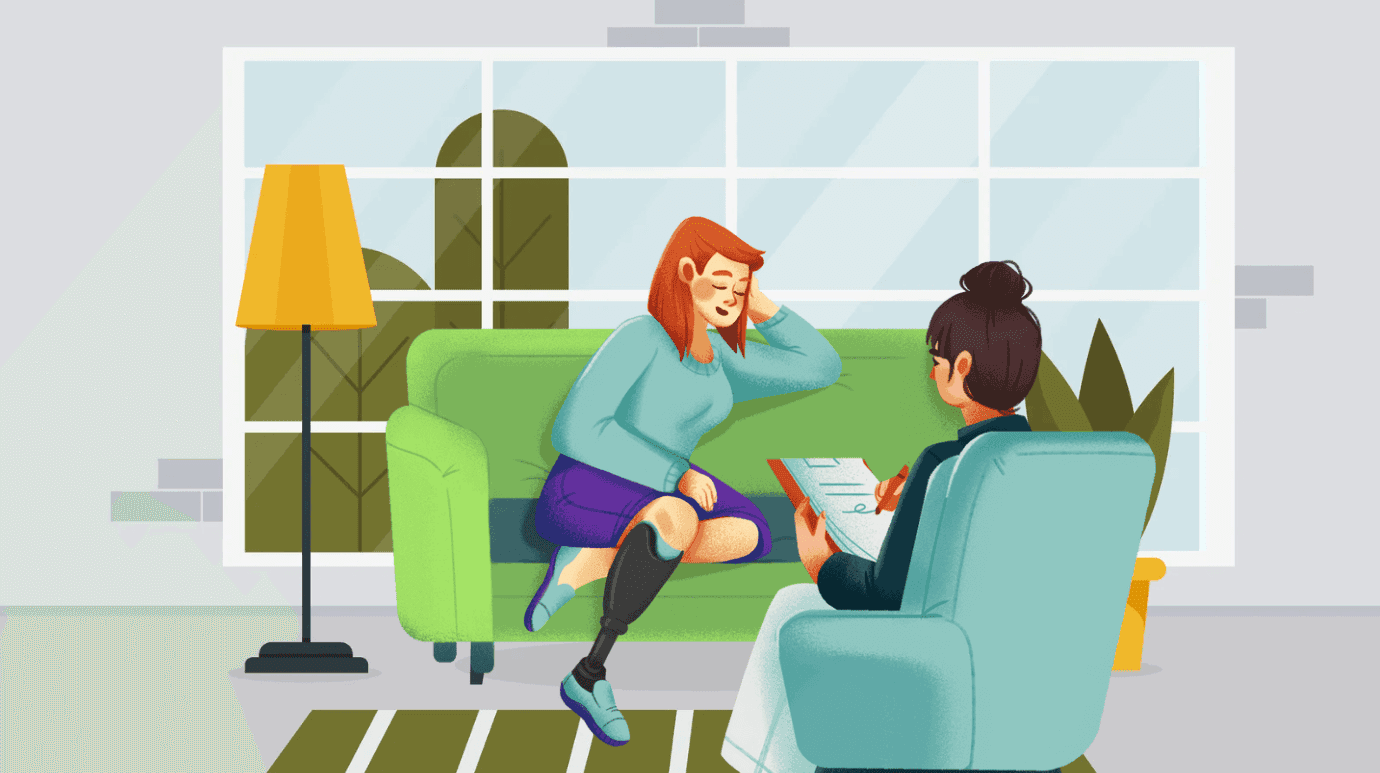
Sarah sits in her therapist's office describing a familiar experience: "I was at my desk working, and suddenly I felt like I was watching myself from across the room. My hands were typing, but I wasn't really there." For people living with dissociative disorders, moments like these can feel frightening and isolating. The disconnect between mind and body, the sense of unreality, and the gaps in memory create unique challenges that require specific approaches to healing and daily management.
Dissociative disorders affect how people process thoughts, feelings, memories, and sense of identity. These conditions often develop as protective responses to overwhelming experiences, particularly trauma. While the brain's ability to dissociate can serve as a survival mechanism during crisis, chronic dissociation creates significant difficulties in relationships, work, and daily functioning.
Understanding What Dissociation Really Feels Like
People experiencing dissociation describe it in various ways. Some feel like they're watching their life through a movie screen. Others describe feeling like they're in a fog, going through motions without really being present. Memory gaps, feeling disconnected from emotions, or questioning whether experiences actually happened are common experiences.
The spectrum of dissociative experiences ranges from mild depersonalization to more complex presentations involving distinct identity states. Depersonalization involves feeling detached from oneself, while derealization creates a sense that the surrounding world seems unreal or dreamlike. More complex dissociative disorders can involve memory disruptions, identity confusion, and periods of lost time.
These experiences often intensify during stress, making daily coping strategies essential. Understanding personal triggers and early warning signs becomes the foundation for effective management.
Grounding Techniques That Actually Work
Grounding techniques help anchor people in the present moment when dissociation begins. Unlike generic relaxation methods, effective grounding for dissociation specifically targets the disconnection between mind and body.
The 5-4-3-2-1 technique engages all senses: identifying 5 things you can see, 4 things you can touch, 3 things you can hear, 2 things you can smell, and 1 thing you can taste. This technique works because it forces active engagement with immediate surroundings rather than passive awareness.
Physical grounding often proves more effective than mental techniques alone. Holding ice cubes, taking a cold shower, or pressing feet firmly against the floor creates strong sensory input that can interrupt dissociative episodes. Some people find success with weighted blankets or compression clothing that provides consistent physical feedback.
Temperature changes work particularly well. Splashing cold water on the face, holding something warm, or stepping outside in different weather creates immediate sensory shifts that can restore present-moment awareness.
Building a Daily Structure That Supports Stability
Routine becomes particularly important for people managing dissociative disorders. Predictable daily structures help maintain continuity when internal experiences feel fragmented. This doesn't mean rigid scheduling, but rather creating anchor points throughout the day that provide stability.
Morning routines that engage multiple senses can help establish presence from the start of each day. This might include specific music, particular scents, or physical activities that signal "I am here, I am present." Many people find that naming their activities out loud ("I am brushing my teeth, I am getting dressed") helps maintain conscious awareness throughout routine tasks.
Regular meal times serve multiple purposes. They provide structure, ensure physical needs are met, and create opportunities to practice mindful eating. Focusing on tastes, textures, and the physical act of nourishing the body can serve as ongoing grounding practice.
Sleep hygiene becomes even more critical when managing dissociation. Consistent sleep and wake times, along with calming bedtime routines, help regulate the nervous system and reduce dissociative episodes that often increase with fatigue.
Professional Treatment Approaches That Make a Difference
While self-help strategies provide important daily support, professional treatment often becomes necessary for sustainable healing. Several therapeutic approaches show particular effectiveness for dissociative disorders.
Trauma focused therapy addresses the underlying experiences that often contribute to dissociative responses. This type of therapy helps people process difficult experiences in a safe environment while building skills to manage dissociation. Cities like New York, NY and Los Angeles, CA have specialized trauma treatment centers that specifically work with dissociative disorders.
Cognitive behavioral (CBT) approaches help people identify thought patterns and behaviors that either trigger or soothe dissociative episodes. CBT techniques teach practical skills for recognizing early warning signs and implementing coping strategies before dissociation becomes overwhelming.
Person-centered therapy provides a supportive environment where people can explore their experiences without judgment. This approach recognizes that individuals are experts on their own experiences and helps build self-trust, which dissociation often disrupts.
Strength-based therapy focuses on identifying and building upon existing coping skills and resilience. Rather than focusing solely on symptoms, this approach helps people recognize their inherent capacity for healing and growth.
Creating Safe Relationships and Communication Strategies
Dissociation can create challenges in relationships, particularly when partners, family members, or friends don't understand what's happening. Education becomes crucial for building supportive connections.
Explaining dissociation to loved ones helps reduce misunderstandings. Many people interpret dissociative episodes as deliberate avoidance or lack of care, when they actually represent involuntary protective responses. Clear communication about needs during episodes can prevent relationship damage and create opportunities for support.
Developing signals or code words with trusted people can help communicate needs during dissociative episodes when verbal communication becomes difficult. Some people create simple gestures or use specific phrases to indicate when they need extra support or space.
Building relationships with others who understand dissociation can provide invaluable support. Support groups, either in person or online, connect people with similar experiences. Cities like Chicago, IL, Brooklyn, NY, and Denver, CO often have specialized support groups for trauma survivors and people managing dissociative disorders.
Working With Memory and Identity Challenges
Memory difficulties associated with dissociation require specific strategies. Keeping written records of daily events helps fill gaps and provides continuity. Some people use voice recordings, photos, or detailed journals to maintain connection with their experiences.
Creating external reminders becomes essential when internal memory systems feel unreliable. Calendar alerts, notes to self, and trusted people who can help track important information provide necessary support.
For those experiencing identity confusion or having distinct identity states, internal communication strategies can help different parts work together rather than in conflict. This might involve written dialogues, internal meetings, or working with a therapist trained in treating complex dissociative disorders.
The Role of Medication and Medical Support
While no medications specifically treat dissociation, certain medications can address related symptoms like anxiety, depression, or sleep disturbances that often accompany dissociative disorders. Working with psychiatrists who understand dissociation helps ensure appropriate treatment of co-occurring conditions.
Medical evaluation can rule out physical conditions that might contribute to dissociative symptoms. Certain neurological conditions, medication side effects, or hormonal imbalances can create similar experiences.
Regular medical care becomes particularly important because dissociation can interfere with awareness of physical symptoms or medical needs. Maintaining relationships with healthcare providers who understand dissociation helps ensure comprehensive care.
Building Long-Term Resilience
Recovery from dissociative disorders often involves learning to work with dissociation rather than eliminating it entirely. This means developing skills to reduce problematic dissociation while maintaining healthy forms of mental flexibility.
Stress management becomes a lifelong practice. Regular exercise, creative outlets, and activities that bring joy help maintain nervous system regulation. Many people find that art, music, or writing provides both stress relief and ways to process difficult experiences.
Building a support network takes time but proves essential for long-term stability. This includes mental health professionals, trusted friends and family, and communities of people with similar experiences.
Learning to recognize and celebrate progress helps maintain motivation during difficult periods. Recovery from dissociative disorders often happens gradually, and acknowledging small improvements supports continued growth.
Living with dissociative disorders presents unique challenges, but effective treatments and coping strategies can significantly improve quality of life. Working with mental health professionals who understand dissociation, building daily stability practices, and developing supportive relationships creates the foundation for healing. If you're struggling with dissociative experiences, reaching out to a qualified therapist can provide the specialized support needed for your recovery journey.