How to Switch Therapists Without Guilt: A Guide to Making the Right Choice
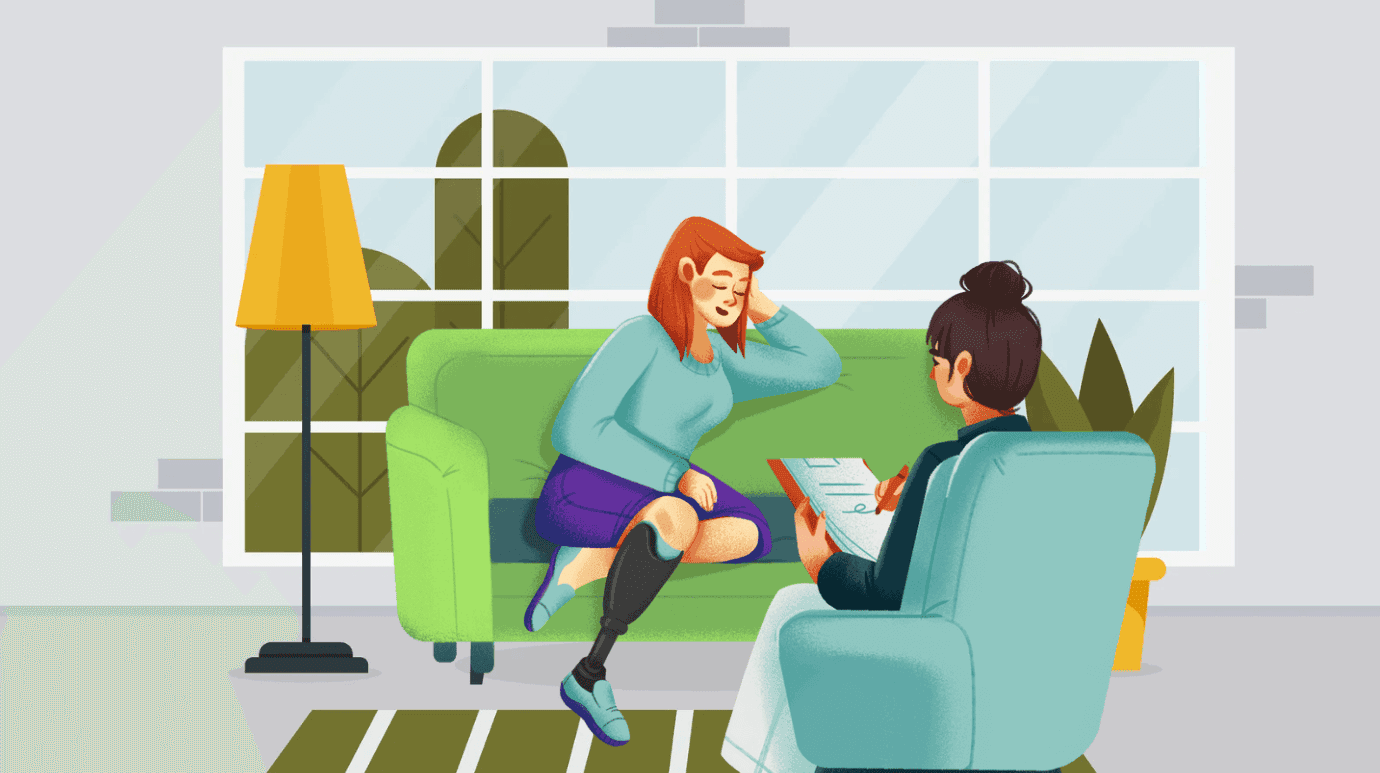
Sarah had been seeing her therapist for eight months when she realized something wasn't quite right. While her therapist was kind and professional, their sessions felt stagnant. She dreaded appointments and found herself making excuses to cancel. The thought of switching therapists filled her with guilt and anxiety. How could she "break up" with someone who was trying to help her?
This scenario plays out more often than you might think. Many people stay in therapeutic relationships that aren't serving them because they worry about hurting their therapist's feelings, starting over, or feeling like they've failed somehow. Learning how to switch therapists without guilt starts with understanding that prioritizing your mental health isn't selfish—it's necessary.
Recognizing When Your Therapeutic Relationship Isn't Working
The foundation of effective therapy lies in the therapeutic relationship itself. Research consistently shows that the quality of this connection significantly impacts treatment outcomes, sometimes more than the specific techniques used. When this relationship isn't clicking, progress stalls.
Several signs indicate that switching therapists might be beneficial. You might notice that sessions feel repetitive or that you're not making progress toward your goals after a reasonable period. Perhaps your therapist's communication style doesn't resonate with you, or you feel judged rather than supported. Sometimes the issue is more straightforward: your therapist lacks experience with your specific concerns, whether that's anxiety, depression, trauma and PTSD, or relationship issues.
Geographic factors can also play a role. If you've moved from New York, NY to Denver, CO, for example, continuing remote sessions with your original therapist might not be as effective as finding someone local who understands your new environment and stressors.
Trust your instincts. If something feels off consistently over multiple sessions, that feeling deserves attention. Your mental health journey is too important to continue with a therapist who isn't the right fit, regardless of how nice they might be as a person.
Understanding That Switching Is Normal and Healthy
Mental health professionals understand that not every therapeutic pairing works perfectly. Just as you might need to try different medications to find what works best for your body, finding the right therapist often requires some trial and error. This process isn't a reflection of failure on anyone's part—it's simply how human relationships work.
Therapists receive training on how to handle transitions when clients decide to switch. They understand that different clients need different approaches, personalities, and specializations. A therapist specializing in cognitive behavioral therapy (CBT) might be perfect for someone dealing with specific anxiety patterns, while another client might thrive better with a person-centered approach that focuses more on self-exploration and personal growth.
Consider Maria, who started therapy in Chicago, IL after a difficult divorce. Her first therapist used a strength-based approach, focusing on her resilience and capabilities. While this worked initially, Maria realized she needed someone who specialized in trauma-focused therapy to address deeper issues from her childhood that the divorce had brought to the surface. Switching therapists allowed her to access the specific expertise she needed for this phase of her healing.
The therapy world recognizes that different life phases, challenges, and personal growth stages might require different therapeutic approaches or personalities. What worked for you six months ago might not serve your current needs.
Steps to Switch Therapists Gracefully
Making the decision to switch therapists is only the first step. The actual transition requires thoughtfulness and planning to ensure continuity in your care and minimize disruption to your progress.
Reflect on Your Needs First
Before initiating the switch, spend time clarifying what you're looking for in a new therapeutic relationship. Consider what specifically isn't working with your current therapist and what qualities or approaches you'd prefer. Are you seeking someone with more experience in your particular area of concern? Do you need someone who offers evening appointments to fit your schedule? Would you benefit from a different therapeutic modality?
This reflection helps prevent you from making the same mismatch twice. If you're dealing with relationship issues, you might want someone who specializes in couples therapy or attachment styles. If trauma is your primary concern, seeking someone trained in trauma-focused approaches would be beneficial.
Research Your Options
Start looking for potential new therapists while you're still seeing your current one. This prevents gaps in care that might derail your progress. Many major cities have extensive networks of mental health professionals. Whether you're in Los Angeles, CA or Brooklyn, NY, you'll likely find therapists with various specializations and approaches.
Use online directories and read therapist profiles carefully. Look for specialists in your areas of concern and pay attention to their therapeutic approaches. Someone who emphasizes person-centered therapy might be very different from someone who focuses primarily on CBT, and both approaches have their merits depending on your needs and preferences.
Have the Conversation
Once you've decided to switch and have identified potential new therapists, schedule a conversation with your current therapist. This doesn't need to be dramatic or lengthy. A simple, honest explanation works best: "I've been thinking about my therapy goals, and I believe I might benefit from working with someone who specializes more specifically in trauma therapy" or "I think I'm ready to try a different therapeutic approach."
Most therapists appreciate honesty and will often provide referrals or support your transition. They might even offer insights about what type of therapist or approach might suit you better based on their observations from your work together.
Handle the Practical Details
Ask your current therapist about transferring records or providing a summary of your work together for your new therapist. Some clients prefer to start fresh without sharing previous therapy notes, while others find continuity helpful. This choice is entirely yours.
Consider scheduling your final session with your current therapist after you've had an initial consultation with your new one. This allows you to address any final concerns or get referrals while ensuring you don't have a gap in support.
Finding Your New Therapeutic Match
Selecting a new therapist requires more intentionality than your first choice might have. You now have experience and insight into what works and doesn't work for you in therapy.
Many therapists offer brief consultation calls before scheduling your first appointment. Use these conversations to ask direct questions about their approach, experience with your specific concerns, and how they typically work with clients. This preliminary conversation can save time and help ensure better compatibility.
Consider practical factors alongside therapeutic ones. If you're in a busy city like New York, NY or Los Angeles, CA, factor in commute time and appointment availability. Evening or weekend appointments might be necessary depending on your work schedule.
The therapeutic modality matters too. Someone dealing with anxiety might thrive with the structured approach of cognitive behavioral therapy, while another person might benefit more from the exploratory nature of person-centered therapy. If you're working through trauma, specifically seeking trauma-focused approaches could accelerate your healing.
Moving Forward Without Looking Back
Once you've made the switch, resist the urge to constantly compare your new therapist to your previous one. Every therapeutic relationship is unique, and it takes time to build rapport and trust. Give your new therapeutic relationship a fair chance to develop.
Some people experience what might be called "therapy honeymoon" periods where everything feels perfect with their new therapist initially. Others might feel anxious or uncertain about starting over. Both responses are normal. Building a therapeutic relationship takes time, just as any meaningful relationship does.
Remember that switching therapists is an act of self-advocacy. You recognized that your needs weren't being met and took action to address that situation. This kind of self-awareness and proactive behavior often translates into other areas of life, contributing to overall personal growth and improved mental health outcomes.
Your mental health deserves the right support and expertise. If you're considering switching therapists, trust your instincts and remember that finding the right fit is a normal part of the therapy process. Professional therapists understand this and want you to find the help that works best for your unique situation and goals.