Panic Disorder and Therapy: What Treatment Options Exist
Sarah's heart pounded so violently she was convinced she was having a heart attack. The grocery store aisles seemed to close in around her as waves of dizziness and nausea overwhelmed her body. After three emergency room visits in two months, doctors confirmed what Sarah had begun to suspect: she wasn't dying, but she was experiencing panic disorder. Like millions of Americans, Sarah discovered that these terrifying episodes weren't just "stress" but a treatable mental health condition.
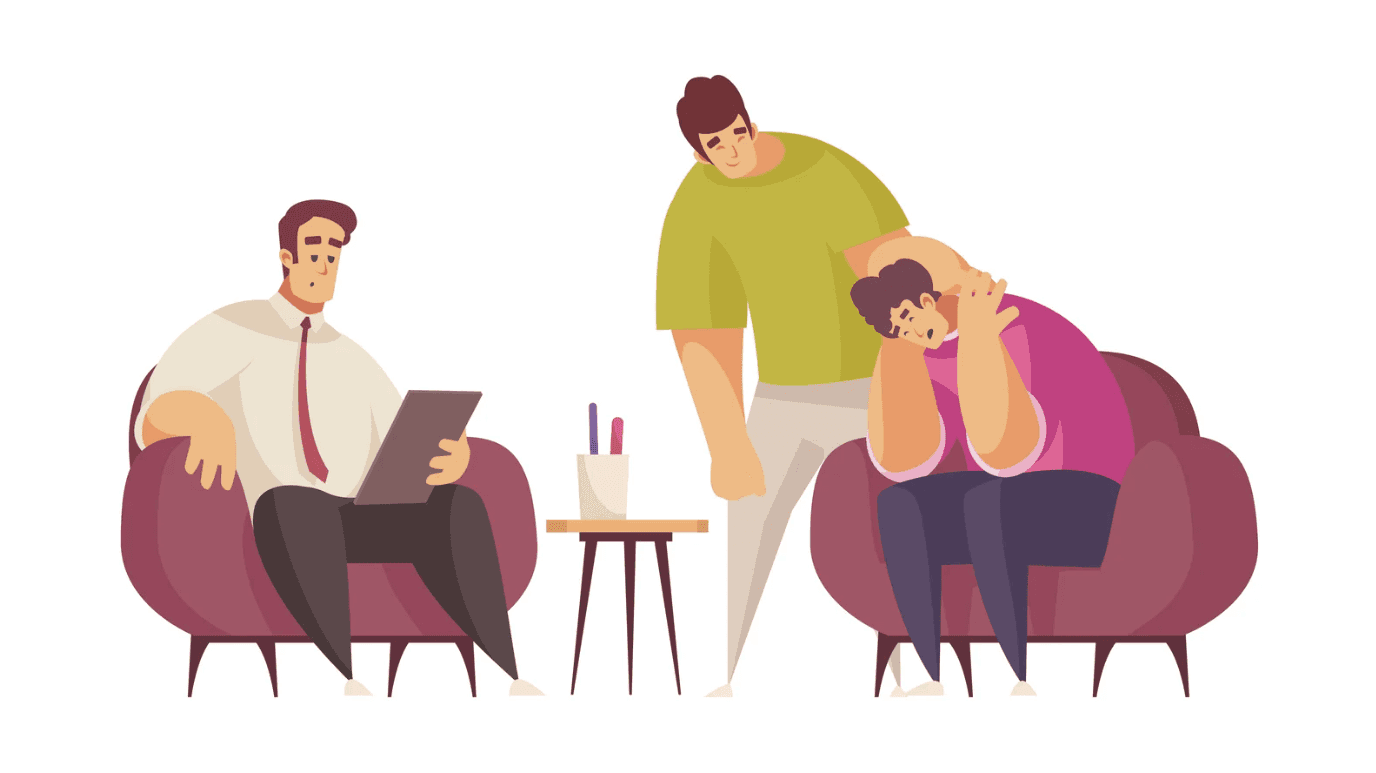
Panic disorder goes far beyond occasional anxiety or worry. This condition involves recurring, unexpected panic attacks that create such intense fear that many people begin avoiding normal activities. The good news is that panic disorder responds well to various therapeutic approaches, and understanding your options can be the first step toward reclaiming your life.
Understanding Panic Disorder Beyond the Attack
Most people focus on the dramatic symptoms of panic attacks: racing heart, shortness of breath, sweating, trembling, and overwhelming fear of losing control or dying. However, panic disorder encompasses much more than these acute episodes. The condition develops when someone experiences recurrent panic attacks and then begins living in fear of the next one.
This anticipatory anxiety often becomes more debilitating than the attacks themselves. People with panic disorder frequently develop agoraphobia, avoiding places or situations where they've had attacks or where escape might be difficult. A business executive might stop attending meetings after a panic attack in the conference room. A college student might drop classes rather than risk another attack during a lecture.
The ripple effects extend into relationships, career prospects, and overall quality of life. Many people with panic disorder describe feeling like prisoners in their own bodies, never knowing when the next wave of terror will strike. This unpredictability creates a constant state of hypervigilance that exhausts both mind and body.
Cognitive Behavioral Therapy: Rewiring Panic Responses
Cognitive Behavioral therapy stands as one of the most researched and effective treatments for panic disorder. CBT operates on the principle that panic attacks are fueled by catastrophic interpretations of normal bodily sensations. When your heart rate increases slightly from climbing stairs, panic disorder might interpret this as a sign of impending heart attack, triggering the very panic response you fear.
CBT therapists help clients identify these thought patterns and develop more balanced interpretations. Instead of "My heart is racing, I must be having a heart attack," you might learn to think, "My heart is beating faster because I just walked up two flights of stairs, and this is normal." This cognitive restructuring reduces the likelihood that normal sensations will spiral into full panic attacks.
The behavioral component involves gradual exposure to feared sensations and situations. Your therapist might have you deliberately increase your heart rate through exercise, then practice staying calm as your body returns to baseline. This controlled exposure helps desensitize your nervous system to the physical sensations that typically trigger panic.
CBT also includes learning specific coping strategies for managing panic attacks when they do occur. Breathing techniques, grounding exercises, and self-talk strategies can significantly reduce the intensity and duration of panic episodes.
Trauma-Focused Approaches: Addressing Root Causes
Many people with panic disorder have underlying trauma that contributes to their symptoms. Childhood abuse, accidents, medical emergencies, or other traumatic experiences can create a hypersensitive alarm system in the brain. For these individuals, Trauma Focused therapy addresses the deeper roots of panic disorder.
Trauma-focused approaches recognize that panic attacks might be the nervous system's learned response to feeling unsafe. If you experienced trauma where your body's fight-or-flight response couldn't protect you, your nervous system might remain hyperactive, ready to sound alarms at the slightest provocation.
These therapeutic approaches help process traumatic memories so they no longer trigger intense physiological responses. Eye Movement Desensitization and Reprocessing (EMDR), for example, helps the brain reprocess traumatic memories so they become less emotionally charged. Other trauma-focused methods work with the body's responses, helping clients learn to feel safe in their own skin again.
Working with trauma requires careful pacing and a strong therapeutic relationship. Therapists trained in trauma-informed care understand how to approach these sensitive areas without retraumatizing clients.
Person-Centered Therapy: Creating Safety and Self-Understanding
Person-Centered therapy takes a different approach to panic disorder by focusing on creating a deeply accepting therapeutic relationship. This method, developed by Carl Rogers, operates on the belief that people have an innate capacity for growth and healing when provided with the right conditions.
For someone with panic disorder, feeling judged or misunderstood can actually worsen symptoms. Person-centered therapists provide unconditional positive regard, helping clients feel truly accepted despite their struggles. This acceptance often allows people to explore their panic disorder without shame or fear of judgment.
The approach emphasizes self-discovery rather than therapist-directed interventions. Clients learn to identify their own patterns, triggers, and coping strategies through guided self-exploration. This process can be particularly powerful for people whose panic disorder developed alongside feelings of powerlessness or lack of control in other life areas.
Person-centered therapy also honors each individual's unique experience of panic disorder. Rather than applying one-size-fits-all techniques, this approach helps people discover what works specifically for them.
Strength-Based Therapy: Building on Existing Resources
Strength-Based therapy shifts focus from what's wrong to what's working. This approach identifies existing coping skills, support systems, and personal qualities that can be leveraged in overcoming panic disorder. Many people with panic disorder have already developed some effective strategies without realizing it.
Perhaps you've noticed that panic attacks are less severe when you're with certain people, or that specific activities help you feel calmer. Strength-based therapists help identify and expand these natural coping mechanisms. They might explore times when you've successfully managed anxiety in the past, even if those situations weren't panic attacks.
This approach also examines your support network, identifying family members, friends, or community connections that could play a role in your recovery. Building on existing strengths often feels more empowering than focusing solely on deficits or symptoms.
Strength-based therapy can work particularly well in combination with other approaches, providing a positive framework for implementing CBT techniques or processing trauma.
Finding the Right Therapist for Your Journey
Choosing a therapist for panic disorder involves several considerations beyond their credentials. Look for someone specifically trained in anxiety disorders who understands the unique challenges of panic disorder. Many cities offer excellent options: from the bustling therapy community in New York, NY to the growing mental health resources in Denver, CO, qualified professionals are available.
Consider the therapeutic relationship carefully. Panic disorder often involves fears about losing control or being judged, so finding a therapist who makes you feel safe and understood becomes particularly important. Some people prefer the directness of CBT, while others need the gentleness of person-centered approaches first.
Geographic factors might also influence your choice. Major metropolitan areas like Chicago, IL, Los Angeles, CA, and Brooklyn, NY typically offer more specialized panic disorder treatment options, including group therapy and intensive programs. However, quality care exists in smaller communities as well, and many therapists now offer online sessions.
Don't hesitate to ask potential therapists about their experience with panic disorder, their treatment approach, and what you can expect from therapy. A good therapist will welcome these questions and help you understand how they might work with your specific situation.
Moving Forward: Your Path to Recovery
Panic disorder can feel overwhelming, but effective treatment options exist. Whether you respond best to the structured approach of CBT, need trauma-focused healing, thrive in person-centered exploration, or benefit from strength-based empowerment, the right therapeutic approach can help you reclaim your life from panic.
Recovery from panic disorder is possible, and seeking professional help is a courageous first step toward freedom from the fear that has been controlling your choices. A qualified therapist can help you develop the tools and insights needed to manage panic disorder and return to living life on your own terms.