Understanding Borderline Personality Disorder: Symptoms, Causes, and Treatment
Sarah sits in her therapist's office, describing how her emotions feel like a constant rollercoaster. One moment she feels deeply connected to her partner, and the next she's convinced they're about to abandon her. Her relationships feel chaotic, her self-image shifts dramatically, and she sometimes engages in behaviors she later regrets. Sarah is living with borderline personality disorder, a complex mental health condition that affects approximately 1.4% of American adults.
Borderline personality disorder (BPD) remains one of the most misunderstood mental health conditions, often carrying unfortunate stigma that prevents people from seeking the help they need. However, with proper understanding and treatment, individuals with BPD can build stable, meaningful relationships and lead fulfilling lives.
What Is Borderline Personality Disorder?
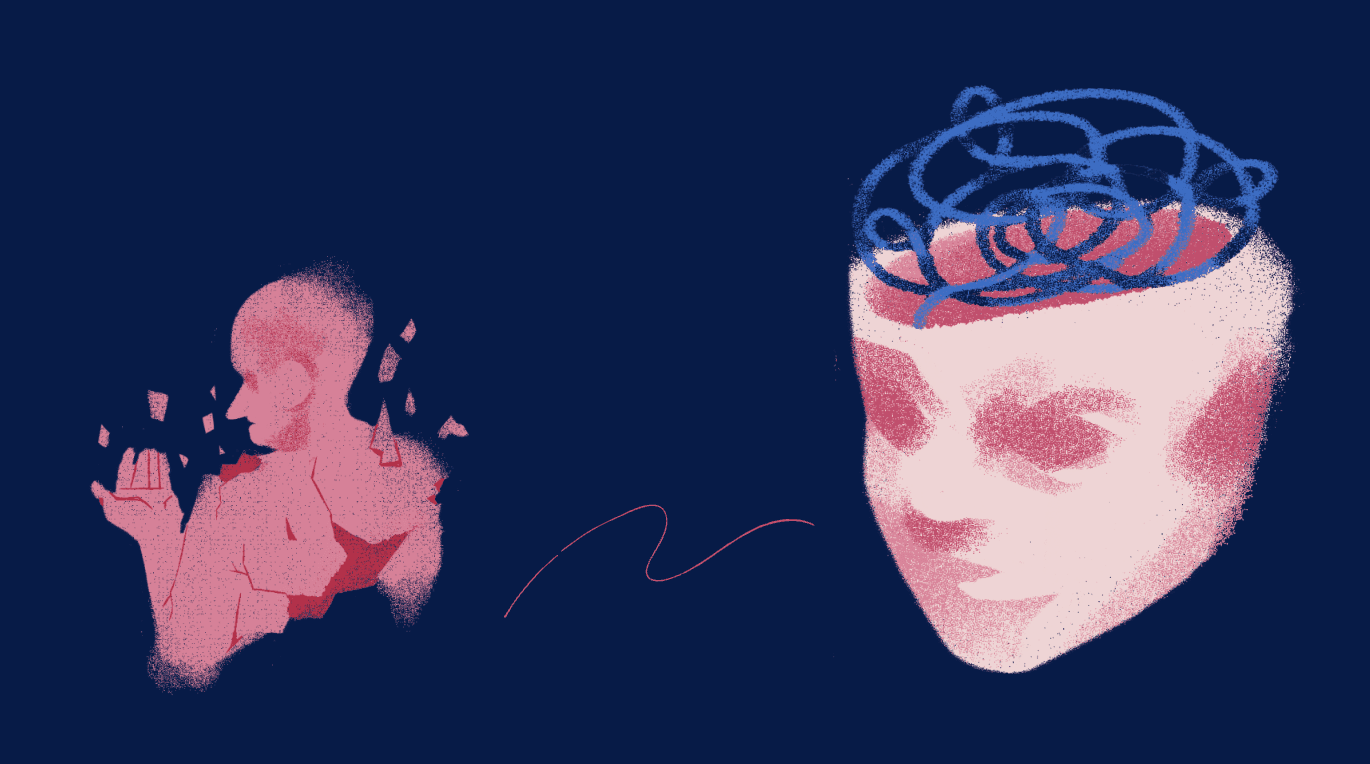
Borderline personality disorder is a mental health condition characterized by persistent patterns of instability in interpersonal relationships, self-image, and emotions. People with BPD experience intense emotional responses that may seem disproportionate to situations, and they often struggle with a deep-seated fear of abandonment.
The term "borderline" originated from early psychiatric theories and doesn't reflect the severity or nature of the condition. Many mental health professionals now prefer more descriptive terms, but BPD remains the official diagnostic name.
Unlike mood disorders that involve distinct episodes of depression or mania, BPD involves ongoing patterns of thinking, feeling, and behaving that typically emerge by early adulthood. These patterns significantly impact daily functioning and relationships across multiple areas of life.
Recognizing the Signs and Symptoms
Emotional Instability
Emotional dysregulation stands as the hallmark feature of borderline personality disorder. People with BPD experience emotions more intensely and for longer periods than others. A minor criticism might trigger overwhelming shame, while a small act of kindness could lead to euphoric feelings. These emotional swings can occur within hours or even minutes.
The intensity of emotions often feels unbearable, leading some individuals to engage in behaviors aimed at numbing or escaping these feelings. This emotional volatility doesn't reflect weakness or lack of character, but rather differences in how the brain processes and regulates emotions.
Fear of Abandonment
An intense fear of real or perceived abandonment drives many behaviors associated with BPD. This fear might manifest as desperate attempts to avoid being left alone, even when no actual threat of abandonment exists. Someone might become frantic when a friend doesn't respond to texts immediately, or they might end relationships first to avoid being rejected.
This fear often stems from early experiences but becomes generalized to all relationships. The irony is that behaviors intended to prevent abandonment, such as constant reassurance-seeking or explosive anger, sometimes push people away.
Unstable Relationships
Relationships for people with BPD tend to follow predictable patterns of intense idealization followed by sudden devaluation. Someone might describe a new romantic partner as perfect and their soulmate, only to later view the same person as completely flawed and harmful. These relationship patterns create ongoing stress and confusion for both individuals with BPD and their loved ones.
The intensity that characterizes these relationships isn't chosen consciously. Rather, the combination of emotional intensity, fear of abandonment, and difficulty with emotional regulation creates these challenging dynamics.
Identity Disturbance
Many people with BPD struggle with maintaining a stable sense of self. Their self-image might shift dramatically based on their environment or relationships. They might feel like completely different people in different situations, leading to confusion about their true identity, values, and life goals.
This identity instability might manifest as frequently changing career goals, personal values, types of friends, or even sexual orientation. The lack of a stable sense of self contributes to the emotional chaos that characterizes BPD.
Understanding the Roots of BPD
Biological Factors
Research suggests that biological factors contribute significantly to borderline personality disorder development. Brain imaging studies show differences in areas responsible for emotional regulation, particularly the amygdala and prefrontal cortex. These brain differences may make individuals more susceptible to intense emotional reactions and difficulty with emotional regulation.
Genetics also play a role, with studies indicating that BPD has a heritable component. Having a family member with BPD or other mental health conditions increases the likelihood of developing the disorder, though genetics alone don't determine outcomes.
Environmental Influences
Childhood experiences significantly influence BPD development. Many individuals with BPD experienced early trauma, including physical or sexual abuse, emotional neglect, or inconsistent caregiving. However, trauma isn't required for BPD to develop, and not everyone who experiences trauma develops the condition.
Invalidating environments during childhood, where a person's emotional experiences are consistently dismissed or criticized, also contribute to BPD development. Children who grow up feeling that their emotions are wrong or unacceptable may struggle to develop healthy emotional regulation skills.
The Interaction of Nature and Nurture
BPD likely results from the complex interaction between biological vulnerability and environmental factors. A child born with heightened emotional sensitivity might develop BPD if raised in an invalidating environment, while the same child in a supportive environment might develop better coping skills.
Effective Treatment Approaches
Dialectical Behavior Therapy (DBT)
Dialectical Behavior Therapy, developed specifically for BPD treatment, has shown remarkable effectiveness in helping people manage symptoms and build healthier relationships. DBT combines individual therapy with group skills training, teaching practical techniques for emotional regulation, distress tolerance, interpersonal effectiveness, and mindfulness.
The therapy focuses on helping individuals balance acceptance of their current situation with the need for change. This approach addresses the tendency toward black-and-white thinking common in BPD while providing concrete skills for managing intense emotions.
Cognitive Behavioral approaches
Cognitive Behavioral therapy helps individuals identify and change thought patterns that contribute to emotional distress and problematic behaviors. For people with BPD, CBT can address negative thought patterns about relationships, self-worth, and the future. Therapists in cities like New York, NY, Chicago, IL, and Los Angeles, CA frequently use CBT techniques as part of BPD treatment plans.
CBT helps people recognize the connection between thoughts, feelings, and behaviors, providing tools to interrupt destructive patterns. The structured nature of CBT can be particularly helpful for individuals who struggle with emotional chaos.
Trauma-Focused Treatments
Given the high prevalence of trauma among people with BPD, trauma-focused therapies often form an essential component of treatment. These approaches help individuals process traumatic experiences and develop healthier coping mechanisms. Trauma-focused therapy addresses how past experiences continue to impact present-day relationships and emotional responses.
Processing trauma within a safe therapeutic relationship can help reduce the emotional intensity and interpersonal difficulties associated with BPD. Many therapists in Brooklyn, NY, and Denver, CO specialize in combining trauma work with BPD treatment.
Person-Centered Therapy
Person-centered approaches emphasize the therapeutic relationship as a healing force. For individuals with BPD who often experienced invalidating relationships, the unconditional positive regard offered in person-centered therapy can be transformative. This approach helps people develop self-acceptance and learn to trust their own experiences.
The non-judgmental, accepting environment of person-centered therapy provides a corrective emotional experience that can help heal relationship wounds and build self-worth.
Strength-Based Interventions
Strength-based therapy focuses on identifying and building upon existing strengths rather than solely addressing deficits. For people with BPD who often struggle with shame and self-criticism, this approach can be particularly valuable. Recognizing personal strengths and resources helps build confidence and resilience.
This approach helps individuals see themselves as capable of growth and change, countering the hopelessness that often accompanies BPD. Focusing on strengths while addressing challenges creates a more balanced and hopeful treatment experience.
Building a Support Network
Recovery from BPD doesn't happen in isolation. Building a strong support network of understanding friends, family members, and mental health professionals creates the foundation for healing. Support groups, both in-person and online, connect individuals with others who share similar experiences.
Family therapy can help loved ones understand BPD and learn how to provide supportive, consistent relationships. Education about the disorder helps family members respond in ways that support recovery rather than inadvertently reinforcing problematic patterns.
The Path Forward
Living with borderline personality disorder presents significant challenges, but recovery is absolutely possible. Many individuals with BPD go on to build stable relationships, pursue meaningful careers, and experience emotional well-being. Treatment requires time, patience, and commitment, but the results can be life-changing.
The key lies in finding the right therapeutic approach and building skills for emotional regulation and relationship management. Different people respond to different treatment modalities, so working with a qualified mental health professional to develop an individualized treatment plan remains essential.
If you recognize symptoms of borderline personality disorder in yourself or a loved one, reaching out for professional help represents the first step toward recovery. Qualified therapists who specialize in personality disorders can provide the support, skills, and understanding necessary for healing and growth.