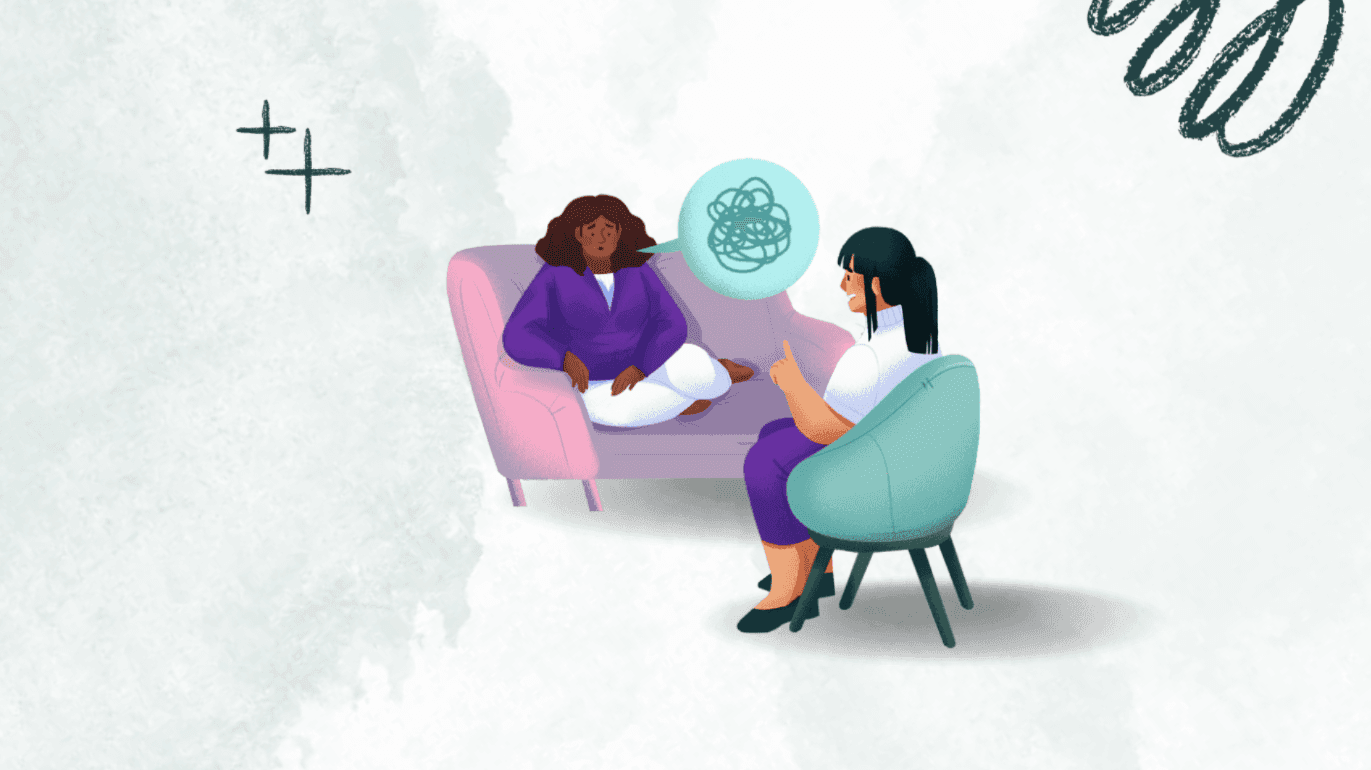
Understanding Burnout: Symptoms, Causes, and Treatment
The alarm goes off at 6 AM, and instead of feeling ready to tackle the day, you feel like staying in bed forever. Your coffee tastes flat, your inbox fills you with dread, and even simple tasks feel overwhelming. If this sounds familiar, you might be experiencing burnout, a state of physical, emotional, and mental exhaustion that affects millions of people across different professions and life circumstances.
Burnout has become increasingly common in our fast-paced world, affecting everyone from healthcare workers and teachers to parents juggling multiple responsibilities and corporate employees facing endless deadlines. Unlike temporary stress or occasional fatigue, burnout represents a deeper state of depletion that doesn't improve with a good night's sleep or a weekend off.
What Is Burnout Really?
Burnout extends far beyond feeling tired after a busy week. Mental health professionals describe it as a syndrome resulting from chronic workplace stress or life demands that haven't been successfully managed. The condition involves three primary dimensions: overwhelming exhaustion, feelings of cynicism or detachment from your work or responsibilities, and a reduced sense of personal accomplishment.
Many people mistakenly believe burnout only affects high-stress professions like medicine or law enforcement. However, research shows that burnout can develop in any situation where demands consistently exceed your resources and coping abilities. Parents caring for young children, students facing academic pressure, caregivers supporting elderly family members, and employees in seemingly routine jobs can all experience burnout.
The experience often develops gradually. You might notice small changes first: feeling less enthusiastic about projects you once enjoyed, having difficulty concentrating, or feeling irritated by colleagues or family members who wouldn't normally bother you. Over time, these subtle shifts can evolve into more serious symptoms that significantly impact your daily functioning and overall well-being.
Recognizing the Signs and Symptoms
Physical Symptoms
Your body often signals burnout before your mind fully recognizes what's happening. Chronic fatigue that doesn't improve with rest is one of the most common early signs. You might find yourself getting sick more frequently as your immune system becomes compromised by prolonged stress. Headaches, muscle tension, and changes in sleep patterns are also typical physical manifestations.
Digestive issues frequently accompany burnout, including nausea, changes in appetite, or stomach problems that seem to have no clear medical cause. Some people experience chest tightness, rapid heartbeat, or shortness of breath during particularly stressful periods. These physical symptoms can create a cycle where worrying about your health adds another layer of stress to an already overwhelming situation.
Emotional and Mental Symptoms
Emotionally, burnout often manifests as a persistent sense of dread about facing your responsibilities. You might feel detached from your work, relationships, or activities that previously brought joy and satisfaction. Cynicism becomes more prominent, and you may find yourself becoming increasingly critical of your workplace, colleagues, or even your own efforts.
Anxiety and depression frequently accompany burnout, though the relationship between these conditions can be complex. Some people develop anxiety about their performance or ability to meet expectations, while others experience depressive symptoms like hopelessness, sadness, or a sense that nothing they do makes a meaningful difference.
Concentration problems are another hallmark of burnout. Tasks that once felt routine may require significant mental effort, and you might find yourself making more mistakes or forgetting important details. Decision-making can become particularly challenging, even for relatively simple choices.
Understanding the Root Causes
Workplace Factors
Modern work environments often create conditions that contribute to burnout. Excessive workloads, unrealistic deadlines, and insufficient resources to complete tasks effectively can create chronic stress. Role ambiguity, where expectations aren't clearly defined, leaves many people feeling uncertain about their responsibilities and unable to gauge their success.
Poor management practices, including lack of recognition, inadequate feedback, and limited autonomy, can accelerate burnout development. Workplace cultures that prioritize being busy over being effective often reward overwork rather than sustainable productivity. The rise of remote work has also blurred boundaries between personal and professional time, making it harder to disconnect and recover.
Personal and Lifestyle Factors
Individual factors also play a significant role in burnout susceptibility. Perfectionist tendencies can create unrealistic standards that are impossible to maintain consistently. People who have difficulty setting boundaries or saying no often take on more responsibilities than they can reasonably handle.
Life transitions, such as starting a new job, becoming a parent, caring for aging relatives, or going through relationship changes, can increase vulnerability to burnout. Financial pressures, health concerns, and lack of social support systems also contribute to the overall stress load that can eventually lead to burnout.
Sleep deprivation, poor nutrition, and lack of physical activity create a foundation where burnout is more likely to develop and persist. When your body isn't getting what it needs to function optimally, your resilience to stress naturally decreases.
Effective Treatment Approaches
Professional Therapy Options
Working with a mental health professional can provide valuable support and tools for overcoming burnout. Cognitive Behavioral (CBT) therapy has shown particular effectiveness in helping people identify and change thought patterns that contribute to burnout. This approach helps you recognize negative thinking cycles and develop more balanced perspectives about work and personal responsibilities.
Trauma Focused therapy may be beneficial for individuals whose burnout stems from or has been complicated by traumatic experiences in their workplace or personal life. This approach addresses underlying trauma that might be contributing to your stress response and difficulty coping with daily demands.
Person-Centered therapy offers a supportive environment where you can explore your feelings about burnout without judgment. This approach emphasizes your inherent capacity for growth and self-understanding, helping you reconnect with your values and priorities.
Strength-Based therapy focuses on identifying and building upon your existing capabilities and resources. Rather than dwelling solely on problems and deficits, this approach helps you recognize the skills and qualities that can support your recovery and prevent future burnout.
Lifestyle Modifications and Self-Care
Recovery from burnout typically requires changes to both your daily routines and your broader life structure. Establishing clear boundaries between work and personal time becomes essential, even if you work from home. This might mean turning off work notifications after certain hours or creating physical spaces that are designated for relaxation and non-work activities.
Regular physical activity, adequate sleep, and proper nutrition provide the foundation your body needs to recover from chronic stress. Even small changes, like taking short walks during breaks or preparing nutritious meals in advance, can make a meaningful difference in your energy levels and overall well-being.
Stress management techniques such as mindfulness meditation, deep breathing exercises, or progressive muscle relaxation can help regulate your nervous system and provide tools for managing overwhelming moments. Regular practice of these techniques often leads to improved emotional regulation and resilience.
Finding Support in Your Community
Major cities across the United States offer various resources for people dealing with burnout. In New York, NY, numerous mental health professionals specialize in work-related stress and burnout recovery. Chicago, IL provides access to both individual therapy and support groups focused on career-related mental health challenges. Los Angeles, CA offers innovative treatment approaches, including therapy programs specifically designed for entertainment industry professionals who commonly experience burnout.
Brooklyn, NY has seen growth in community-based mental health resources, including sliding-scale therapy options for those concerned about treatment costs. Denver, CO provides access to therapists who understand the unique stressors of both urban professional life and the outdoor recreation culture that many residents value.
Burnout doesn't have to be a permanent condition. With appropriate support, self-awareness, and often professional guidance, people can recover from burnout and develop greater resilience for the future. If you're experiencing symptoms of burnout, reaching out to a qualified mental health professional can provide you with personalized strategies and support for your recovery journey.