Understanding Phobias: Symptoms, Causes, and Treatment Options
Maria freezes every time she sees an elevator. Her heart races, her palms sweat, and she feels dizzy just thinking about stepping inside those small metal boxes. For years, she has climbed countless flights of stairs, turned down job opportunities on high floors, and avoided social gatherings in tall buildings. What Maria experiences goes far beyond normal caution or preference. She lives with elevator phobia, one of many specific phobias that can significantly impact daily life.
Phobias represent one of the most common forms of anxiety disorders, affecting approximately 7-9% of the population at some point in their lives. Unlike general anxiety or reasonable fears, phobias involve intense, persistent fear responses to specific objects, situations, or activities that pose little or no actual danger. The fear becomes so overwhelming that people often go to great lengths to avoid their triggers, sometimes limiting their personal, professional, and social opportunities.
What Makes a Fear a Phobia?
Fear serves an evolutionary purpose, keeping us safe from genuine threats. However, phobias take this natural response and amplify it far beyond what the situation warrants. A person might feel nervous about flying, but someone with aviophobia experiences panic attacks at the mere thought of boarding a plane.
Several characteristics distinguish phobias from normal fears. The fear response is disproportionate to the actual threat level. The reaction is persistent, lasting six months or longer in adults. Most importantly, the fear significantly interferes with daily functioning, relationships, work, or social activities.
Mental health professionals recognize several categories of phobias. Specific phobias focus on particular objects or situations, such as spiders, heights, or medical procedures. Social phobia, also known as social anxiety disorder, involves intense fear of social situations where the person might face scrutiny or judgment from others. Agoraphobia centers on fear of being in places or situations where escape might be difficult or embarrassing.
Physical and Emotional Symptoms
When confronted with their feared object or situation, people with phobias experience a cascade of physical and emotional symptoms. The body's fight-or-flight response kicks into high gear, even when facing something objectively harmless like a butterfly or a crowded restaurant.
Physical symptoms can include rapid heartbeat, sweating, trembling, shortness of breath, nausea, dizziness, and chest pain. Some people experience hot or cold flashes, numbness or tingling in their hands and feet, or feeling detached from reality. These symptoms can be so intense that they mimic those of a heart attack or other serious medical condition.
Emotionally, people describe feeling overwhelming terror, losing control, or believing they might die or go crazy. The anticipatory anxiety can be just as distressing as the actual encounter. Someone with dog phobia might avoid entire neighborhoods where they might encounter dogs, or feel anxious for days before visiting a friend who owns pets.
Understanding the Roots of Phobias
The development of phobias involves a complex interaction of biological, psychological, and environmental factors. Genetics play a role, as phobias tend to run in families. However, this could reflect both inherited tendencies and learned behaviors from family members.
Many phobias trace back to specific traumatic experiences, especially those occurring during childhood when the brain is still developing its threat-detection systems. A child who falls from a height might develop acrophobia, or someone bitten by a dog could develop cynophobia. However, not everyone who experiences trauma develops a phobia, and some people develop phobias without any clear triggering event.
Learned behaviors contribute significantly to phobia development. Children often model their parents' fears and reactions. If a parent screams and panics around spiders, their child might learn that spiders represent serious danger. Cultural factors also influence which fears become more common in different societies.
Brain structure and function differences appear in people with phobias. The amygdala, which processes fear and emotional memories, shows heightened activity when exposed to phobic triggers. Additionally, the prefrontal cortex, responsible for rational thinking and fear regulation, may not effectively override the amygdala's alarm signals.
Treatment Approaches That Work
Fortunately, phobias respond well to various treatment approaches. Most people experience significant improvement with proper intervention, often seeing results within a few months of starting treatment.
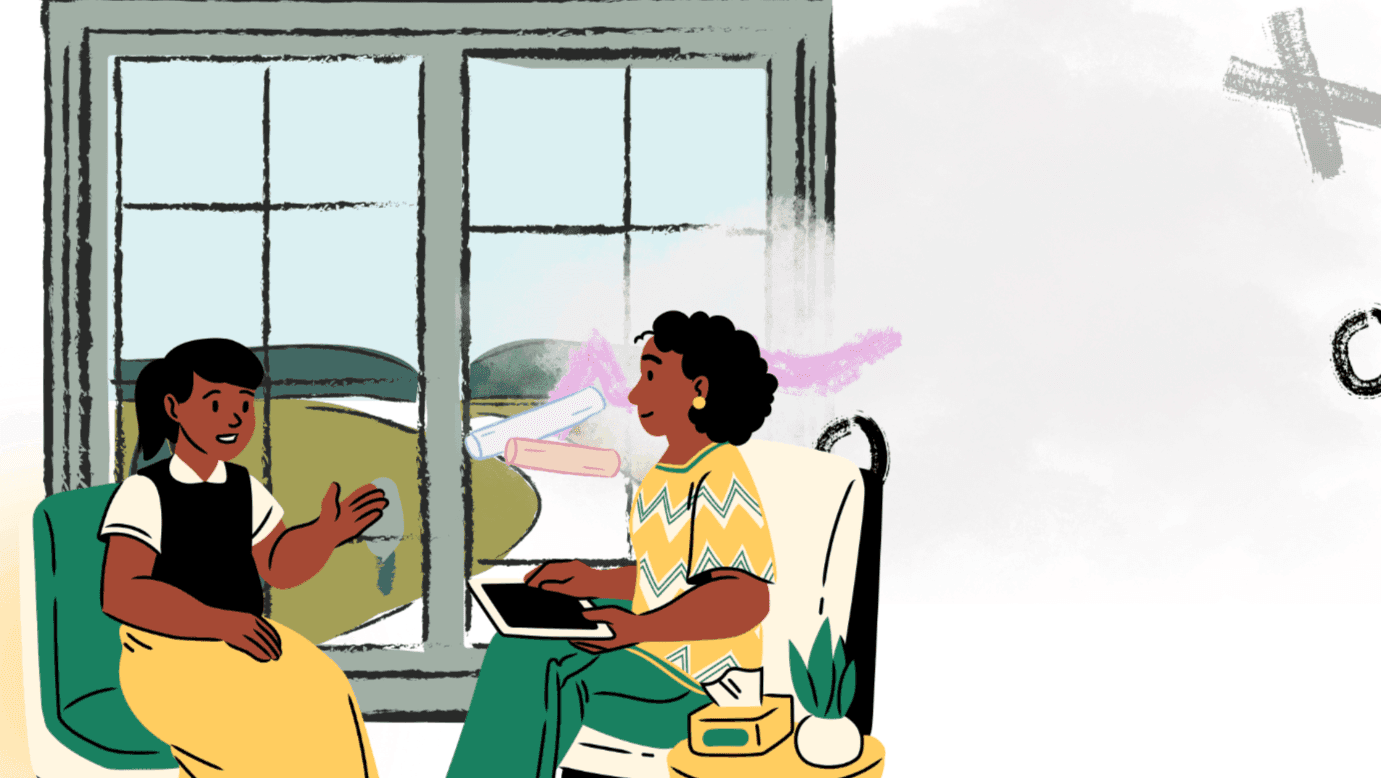
Cognitive Behavioral Therapy (CBT) stands as the gold standard for phobia treatment. This approach helps people identify and change the thought patterns that fuel their fears while gradually exposing them to their phobic triggers in a controlled, safe environment. CBT teaches practical coping strategies and helps people develop more realistic assessments of danger.
Exposure therapy, often considered a component of CBT, involves gradually and systematically confronting the feared object or situation. This might start with looking at pictures, then watching videos, before progressing to real-life encounters. The process allows the person's anxiety to naturally decrease while they learn that their feared consequences don't actually occur.
Some people benefit from trauma-focused therapy, especially when their phobia stems from a specific traumatic event. These approaches help process the underlying trauma while addressing the phobic response. Person-centered therapy can provide a supportive environment where individuals explore their fears at their own pace, building self-acceptance and understanding.
Strength-based approaches focus on identifying and building upon the person's existing coping skills and resources. Rather than dwelling primarily on symptoms and deficits, these methods help people recognize their resilience and capacity for change.
Medication and Combined Treatments
While therapy often proves sufficient, some people benefit from medication, particularly when phobias are severe or accompanied by other anxiety disorders or depression. Beta-blockers can help manage physical symptoms like rapid heartbeat and trembling, especially for performance-related social phobias. Anti-anxiety medications might provide short-term relief during the initial stages of therapy.
Antidepressants, particularly selective serotonin reuptake inhibitors (SSRIs), can help reduce overall anxiety levels and make therapy more effective. However, medication typically works best when combined with therapy rather than used alone.
Some people explore complementary approaches alongside traditional treatment. Relaxation techniques, mindfulness meditation, and breathing exercises can help manage anxiety symptoms. Regular exercise, adequate sleep, and stress management also support overall mental health and treatment progress.
Finding Help in Your Area
Access to quality mental health care varies by location, but most major cities offer numerous options for phobia treatment. In New York, NY, the abundance of mental health professionals means people can often find specialists with specific expertise in anxiety disorders and phobias. Chicago, IL offers both university-based training clinics and established private practices that focus on evidence-based treatments for anxiety.
Los Angeles, CA provides access to innovative treatment approaches, including some therapists who specialize in entertainment industry professionals dealing with performance-related phobias. Brooklyn, NY has seen growing mental health resources, with many therapists offering sliding-scale fees to improve accessibility. Denver, CO combines traditional therapy options with some practitioners who incorporate outdoor and adventure-based approaches for certain phobias.
Living Beyond Phobias
Recovery from phobias rarely means complete elimination of all fear responses. Instead, successful treatment helps people manage their fears without letting those fears control their lives. Many people find they can engage in previously avoided activities, pursue career opportunities they once thought impossible, and enjoy social situations they used to dread.
The journey involves patience and persistence. Some people see rapid improvement, while others need longer treatment periods. Setbacks can occur, especially during stressful life periods, but the coping skills learned in therapy typically help people manage these temporary increases in anxiety.
Prevention strategies can help reduce the risk of developing new phobias or experiencing relapse. These include maintaining good overall mental health, learning stress management techniques, and addressing new fears before they become entrenched. Parents can help protect their children by modeling calm responses to various situations and avoiding the transmission of their own fears.
If you're struggling with phobias that interfere with your daily life, relationships, or goals, professional help can make a tremendous difference. Mental health professionals have extensive experience treating phobias and can work with you to develop an individualized treatment plan that fits your specific needs and circumstances.