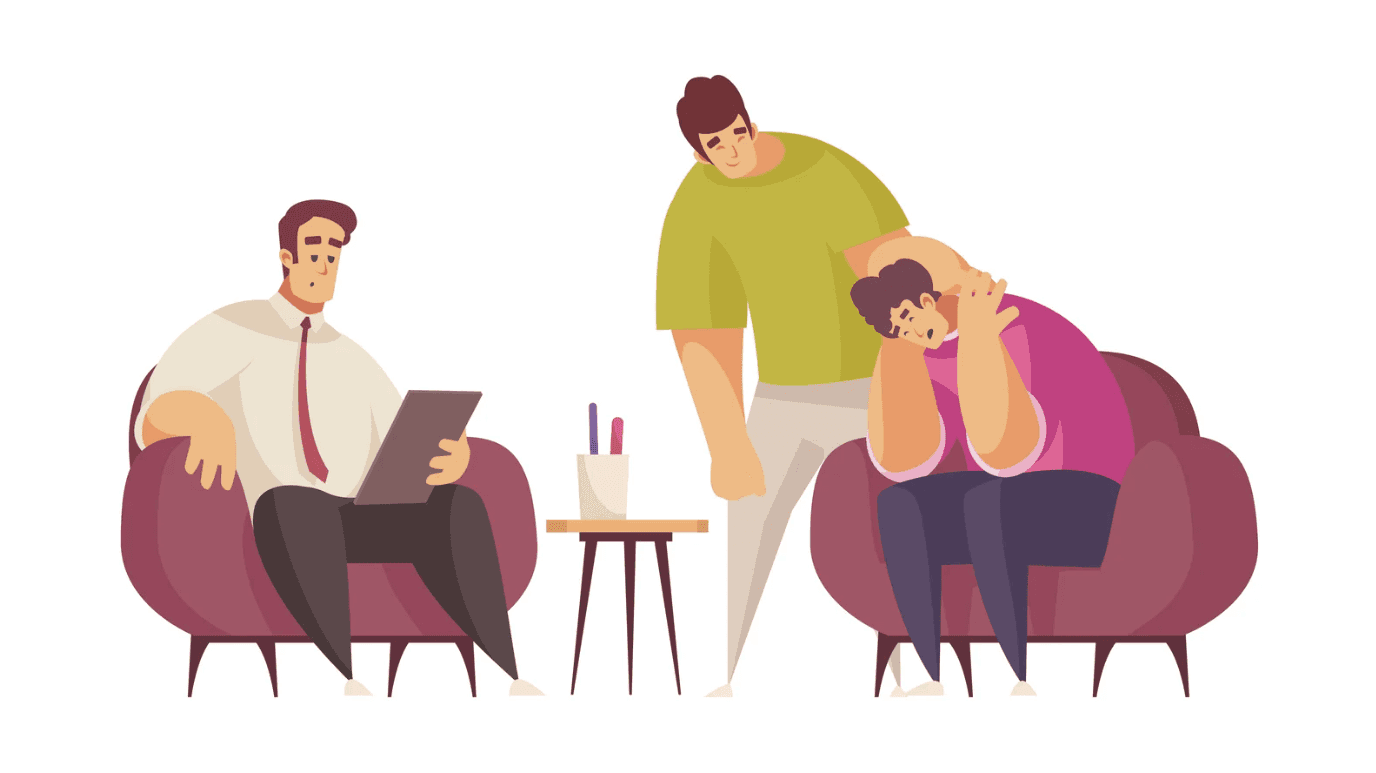
Understanding Seasonal Affective Disorder: Symptoms, Causes, and Treatment
Sarah noticed the pattern three winters in a row. As soon as October arrived and daylight hours began shrinking, her energy plummeted. Getting out of bed became a struggle, her appetite shifted toward heavy carbohydrates, and the activities she normally enjoyed felt overwhelming. What she initially dismissed as "winter blues" was actually seasonal affective disorder, a legitimate mental health condition that affects approximately 5% of adults in the United States.
Seasonal affective disorder (SAD) represents more than just feeling down during winter months. This form of depression follows a predictable seasonal pattern, typically beginning in fall or early winter and lifting during spring and summer. While anyone can develop SAD, certain factors increase vulnerability, and understanding these patterns can help people recognize when professional support becomes necessary.
What Exactly Is Seasonal Affective Disorder?
Seasonal affective disorder falls under the broader category of major depressive disorder in the Diagnostic and Statistical Manual of Mental Disorders. The condition manifests as recurring depressive episodes that coincide with specific seasons, most commonly winter months when natural light exposure decreases significantly.
Mental health professionals distinguish SAD from typical seasonal mood changes by examining the severity and duration of symptoms. While many people experience some mood shifts as seasons change, SAD involves persistent symptoms that interfere with daily functioning, relationships, and work performance. The condition requires the same careful attention and treatment approach as other forms of depression.
Two primary types of SAD exist. Winter-pattern SAD, the most common form, begins in late fall or early winter and resolves in spring. Summer-pattern SAD, affecting fewer people, starts in spring or summer and lifts during cooler months. Each type presents distinct symptom patterns and may require different treatment approaches.
Recognizing the Signs and Symptoms
The symptoms of seasonal affective disorder mirror those of major depression but follow a seasonal timeline. People with winter-pattern SAD often experience what mental health professionals call "atypical" depression symptoms, which differ from classic depression presentations.
Sleep patterns frequently become disrupted. Rather than the insomnia common in typical depression, people with SAD often oversleep, sometimes requiring 10 or more hours of sleep while still feeling fatigued during waking hours. This excessive need for sleep, called hypersomnia, can significantly impact work schedules and social commitments.
Appetite changes represent another hallmark of SAD. Many individuals develop intense cravings for carbohydrate-rich foods, leading to weight gain during affected seasons. This differs from the appetite loss typically associated with other forms of depression. The body seems to crave these foods as a way to boost serotonin levels naturally.
Energy levels drop dramatically. Simple tasks like grocery shopping or preparing meals can feel exhausting. Social withdrawal becomes common as people lose interest in activities they previously enjoyed. Concentration difficulties make work or academic responsibilities more challenging, and irritability may strain relationships.
Emotional symptoms include persistent sadness, feelings of hopelessness, and loss of interest in previously pleasurable activities. Some people describe feeling like they're moving through molasses, with everything requiring tremendous effort. Anxiety symptoms may also emerge or worsen during affected seasons.
Understanding the Underlying Causes
The exact mechanisms behind seasonal affective disorder involve multiple biological and environmental factors. Reduced sunlight exposure during shorter days appears to disrupt the body's internal biological clock, known as the circadian rhythm. This disruption affects the production and regulation of several key neurotransmitters and hormones.
Serotonin levels may drop during periods of limited sunlight. This neurotransmitter plays a central role in mood regulation, and decreased levels are associated with depressive symptoms. Sunlight helps maintain adequate serotonin production, so reduced exposure can contribute to the mood changes characteristic of SAD.
Melatonin production also becomes disrupted. This hormone regulates sleep-wake cycles, and people with SAD may produce too much melatonin during daylight hours, contributing to feelings of fatigue and sleepiness. The timing of melatonin release may also shift, further disrupting normal sleep patterns.
Geographic location significantly influences SAD risk. People living in northern climates with shorter winter days and less intense sunlight experience higher rates of the condition. Cities like Chicago, IL, and Denver, CO, where winter days are notably shorter and cloudier, tend to see more cases than sunnier locations such as Los Angeles, CA. Even within the same general region, urban areas like New York, NY, and Brooklyn, NY, may have slightly different risk factors due to building density and light pollution patterns.
Individual biological factors also matter. Some people appear genetically predisposed to SAD, with family history playing a role. Age affects vulnerability as well, with SAD most commonly developing during the twenties and thirties. Women experience the condition more frequently than men, though the reasons for this difference remain unclear.
Effective Treatment Approaches
Treatment for seasonal affective disorder typically involves multiple strategies, often used in combination for optimal results. Light therapy represents the most established and frequently recommended first-line treatment for winter-pattern SAD.
Light therapy involves daily exposure to bright artificial light, typically through a specialized light box that emits 10,000 lux of light. Users sit near the device for 20-30 minutes each morning, ideally within an hour of waking. The bright light helps reset circadian rhythms and may boost serotonin production. Many people notice improvement within a few days to weeks of consistent use.
Psychotherapy offers another effective treatment avenue. Cognitive Behavioral therapy has shown particular promise for SAD, helping people identify and change negative thought patterns that contribute to seasonal depression. CBT for SAD often includes specific techniques for managing seasonal challenges, such as behavioral activation strategies that encourage continued engagement in meaningful activities despite low energy levels.
Person-centered therapy can provide valuable support by creating a non-judgmental therapeutic environment where individuals explore their experiences with seasonal mood changes. This approach helps people develop self-awareness and coping strategies that feel authentic and personally meaningful.
For some individuals, Strength-based therapy proves beneficial by focusing on existing resources and capabilities rather than deficits. This approach helps people identify personal strengths that can be mobilized to manage seasonal challenges more effectively.
When SAD significantly impacts daily functioning, antidepressant medications may be recommended. Selective serotonin reuptake inhibitors (SSRIs) are commonly prescribed, sometimes in combination with other treatments. Some people begin taking antidepressants preventively before their typical seasonal pattern begins.
Lifestyle modifications support other treatments. Regular exercise, particularly outdoor activities that provide natural light exposure, can help manage symptoms. Maintaining consistent sleep schedules, even when feeling fatigued, helps regulate circadian rhythms. Social connections remain important, even when motivation to socialize feels low.
The Path Forward
Recovery from seasonal affective disorder is entirely possible with appropriate treatment and support. Many people successfully manage their symptoms through a combination of therapies, allowing them to maintain their quality of life throughout all seasons.
Working with a mental health professional experienced in treating SAD can make a significant difference in developing an effective treatment plan. Whether dealing with trauma-focused concerns that may complicate seasonal depression or seeking support for the first time, professional guidance helps ensure that treatment approaches match individual needs and circumstances.
If you recognize symptoms of seasonal affective disorder in yourself or someone you care about, reaching out for professional help represents an important step toward feeling better. Mental health professionals can provide proper diagnosis, develop personalized treatment plans, and offer ongoing support throughout the recovery process.