What Is Somatic Experiencing? How It Works and Who It Helps
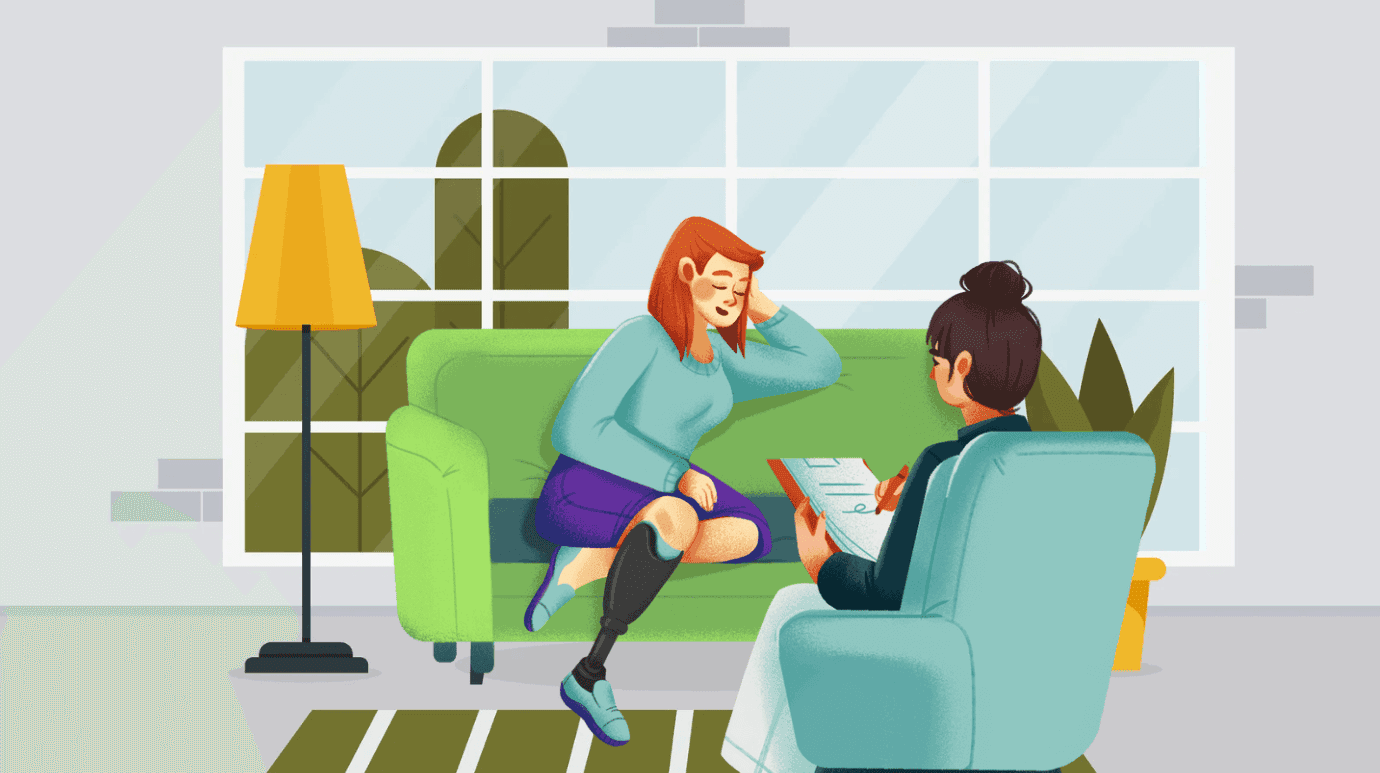
Sarah sits in her therapist's office, describing how her heart races every time she hears a car backfire. The sound immediately transports her back to a car accident she experienced months ago. While traditional talk therapy has helped her understand the incident intellectually, her body still reacts as if danger is imminent. Her therapist suggests exploring somatic experiencing, a therapeutic approach that works directly with these physical responses to help her nervous system find its way back to safety.
Somatic experiencing represents a paradigm shift in trauma and stress recovery, focusing on the wisdom of the body rather than relying solely on cognitive processing. Developed by Dr. Peter Levine, this approach recognizes that traumatic experiences and chronic stress often become "stuck" in the nervous system, creating ongoing physical and emotional symptoms long after the initial event has passed.
Understanding Somatic Experiencing
Somatic experiencing operates on the principle that trauma and stress responses are fundamentally biological processes. When we encounter a threatening situation, our nervous system activates a survival response: fight, flight, or freeze. In healthy circumstances, once the threat passes, the nervous system naturally discharges this activated energy and returns to a state of calm regulation.
However, when this natural process gets interrupted or overwhelmed, the survival energy can remain trapped in the body. This trapped energy may manifest as chronic anxiety, panic attacks, depression, insomnia, digestive issues, chronic pain, or emotional numbness. Rather than viewing these symptoms as problems to eliminate, somatic experiencing sees them as the body's attempt to complete interrupted survival responses.
The approach works by helping individuals develop greater awareness of their bodily sensations and nervous system states. Through gentle attention to physical sensations, breathing patterns, muscle tension, and energy flow, people can gradually discharge trapped survival energy and restore their nervous system's natural resilience.
The Nervous System Connection
Central to somatic experiencing is understanding how the autonomic nervous system responds to stress and safety. The sympathetic branch activates us for action when we perceive danger, while the parasympathetic branch helps us rest, digest, and connect socially when we feel safe. When these systems become chronically dysregulated, we might feel constantly on edge or alternatively shut down and disconnected.
Somatic experiencing helps restore the natural flow between activation and rest by teaching the nervous system that it's safe to discharge old survival energy. This process happens gradually and gently, respecting the body's own timing and capacity for healing.
How Somatic Experiencing Works in Practice
During a somatic experiencing session, clients typically remain clothed and may sit or lie down comfortably. The therapist guides attention to bodily sensations, movements, and breathing patterns without forcing any particular outcome. Sessions often begin with simply noticing what's present in the body right now.
A practitioner might ask questions like: "What do you notice in your chest area?" or "How does your breathing feel right now?" These aren't intellectual questions but invitations to tune into immediate physical experience. As clients develop this capacity for body awareness, they often begin to notice subtle shifts, releases, or movements that indicate the nervous system is finding its way back to regulation.
Practitioners use techniques called "resourcing" to help clients identify and strengthen experiences of safety, calm, and resilience in their bodies. This might involve recalling a peaceful memory while noticing how it feels physically, or finding a comfortable position that supports a sense of groundedness and stability.
The discharge of trapped energy might appear as spontaneous trembling, sighing, yawning, changes in temperature, or gentle movements. These responses are welcomed as signs that the nervous system is naturally completing interrupted processes. The pace remains slow and gentle, allowing integration time between releases.
Working with Trauma and PTSD
For individuals dealing with trauma and PTSD, somatic experiencing offers particular advantages. Traditional approaches sometimes require detailed retelling of traumatic events, which can reactivate trauma responses. Somatic experiencing works more indirectly, helping the nervous system heal without necessarily revisiting traumatic memories in detail.
This makes the approach especially valuable for people who feel overwhelmed by their trauma responses or who have difficulty accessing or discussing their experiences verbally. The body holds its own wisdom about what needs attention and healing, and somatic experiencing trusts this innate intelligence.
Many trauma survivors find that as their nervous system regulation improves through somatic work, other symptoms naturally begin to resolve. Sleep often improves, anxiety decreases, and the capacity for connection and joy gradually returns.
Who Benefits from Somatic Experiencing
Somatic experiencing can help a wide range of people dealing with various challenges. Those struggling with anxiety often find significant relief as they learn to recognize and interrupt the physical escalation of anxious responses before they become overwhelming. The approach teaches practical skills for calming an activated nervous system in real-time.
People experiencing depression may discover that their symptoms are connected to a shutdown or freeze response in their nervous system. Somatic experiencing can help gently reactivate healthy energy and engagement with life. Rather than focusing primarily on negative thoughts, this approach addresses the underlying nervous system patterns that may contribute to depressive states.
The approach proves valuable for relationship issues as well, since our capacity for healthy connection depends greatly on nervous system regulation. When we feel safe and regulated in our own bodies, we're more available for authentic intimacy and communication. Couples sometimes find that individual somatic work enhances their ability to navigate conflicts and maintain connection during stress.
Beyond Trauma: Everyday Stress and Life Transitions
Somatic experiencing isn't limited to addressing major trauma. The stresses of modern life, work pressures, relationship challenges, and major life transitions can all create nervous system dysregulation that benefits from somatic approaches. People living in busy urban areas like New York, NY, Chicago, IL, or Los Angeles, CA often find that somatic work helps them maintain better balance amid city stress.
Similarly, those in growing communities like Brooklyn, NY or Denver, CO may use somatic experiencing to stay grounded during periods of change and transition. The approach offers practical tools for maintaining nervous system health in the face of ongoing life stresses.
What to Expect from Somatic Experiencing Therapy
Somatic experiencing typically unfolds gradually over time. Unlike therapies focused on insight or behavioral change, somatic work emphasizes felt experience and nervous system shifts that happen at the body's own pace. Some people notice changes immediately, while others find that shifts occur subtly over weeks or months.
Sessions often leave people feeling more settled, grounded, or spacious in their bodies. Some describe feeling "more like themselves" or having access to energy and aliveness that had been missing. The changes tend to be sustainable because they emerge from the body's own healing capacity rather than being imposed from the outside.
Many people find that somatic experiencing complements other therapeutic approaches well. The nervous system regulation developed through somatic work can actually enhance the effectiveness of cognitive therapies, as a regulated nervous system is more capable of learning, processing, and integrating new information.
Integration and Daily Life
One of the strengths of somatic experiencing lies in how readily its principles translate into daily life. As people develop greater body awareness and regulation skills, they can apply these capacities to navigate stress, relationships, and challenges more effectively. Simple practices like noticing breath, feeling feet on the ground, or taking a moment to sense the body can become powerful tools for maintaining balance throughout the day.
The approach recognizes that healing happens not just in therapy sessions but through countless small moments of returning to regulation and presence throughout daily life. This makes somatic experiencing particularly practical and empowering for long-term wellbeing.
Somatic experiencing offers a gentle yet powerful path toward healing that honors both the body's wisdom and its capacity for resilience. By working with rather than against our natural biological responses, this approach helps restore the nervous system's innate ability to move between activation and rest, engagement and recovery. If you're curious about how somatic experiencing might support your own healing journey, consider connecting with a qualified practitioner who can guide you in exploring this body-based approach to wellness and recovery.