How to Cope With Borderline Personality Disorder: What Actually Helps
Sarah sits in her therapist's office, describing another week of emotional turbulence. One moment she felt completely abandoned by friends, the next she was overwhelmed with shame about her reaction. This cycle of intense emotions and relationship struggles characterizes her experience with borderline personality disorder (BPD), a condition affecting nearly 1.4% of adults in the United States.
Borderline personality disorder involves persistent patterns of instability in relationships, self-image, emotions, and impulsivity. While the condition can feel overwhelming, understanding effective coping strategies makes a significant difference in managing symptoms and building a more stable life.
Understanding the Daily Reality of BPD
Living with borderline personality disorder means experiencing emotions with extraordinary intensity. What might be a minor disappointment to others can feel catastrophic. Relationships often swing between idealization and devaluation, creating confusion and distress for everyone involved.
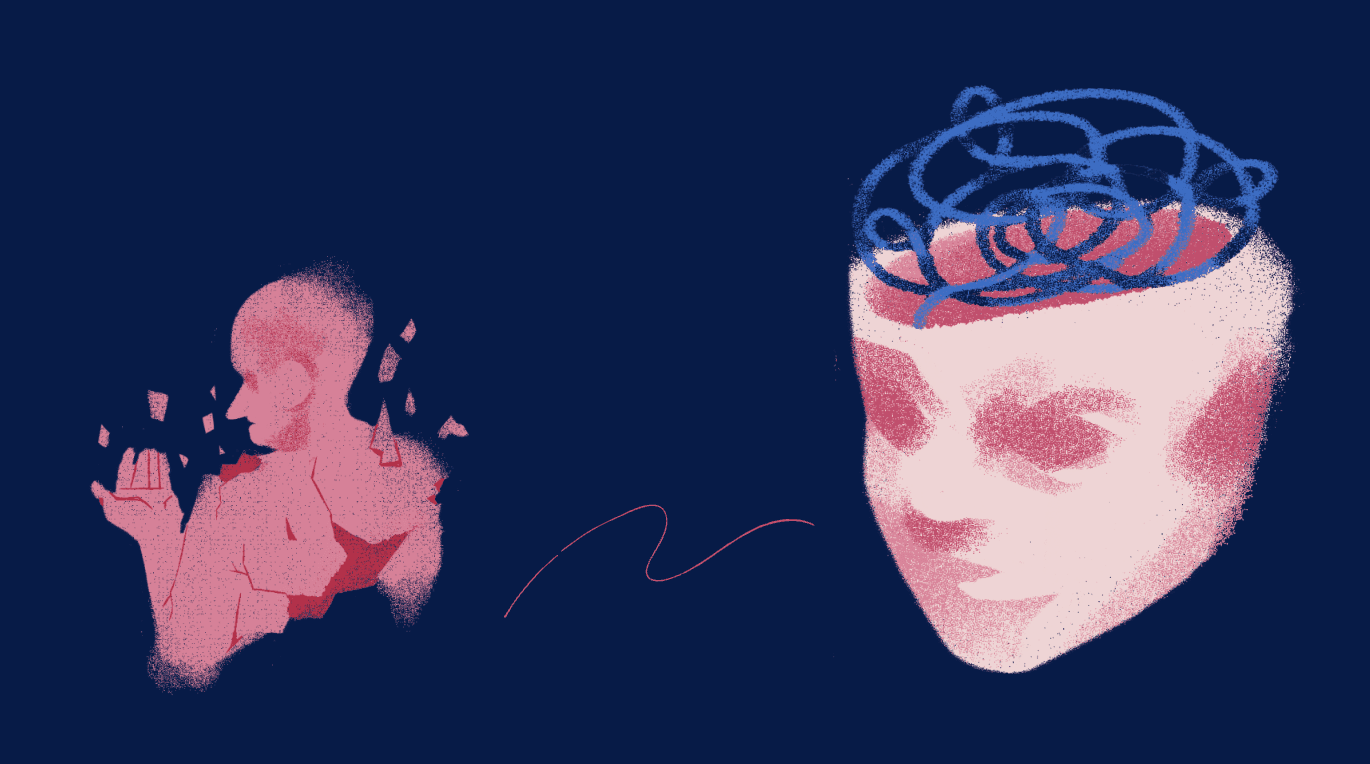
Many people with BPD describe feeling like they're riding an emotional roller coaster without brakes. One moment brings deep connection and joy, while the next delivers crushing feelings of abandonment or rage. This emotional volatility stems from differences in brain structure and function, particularly in areas responsible for emotion regulation and impulse control.
The fear of abandonment that characterizes BPD can create a painful paradox. Desperate to maintain relationships, individuals may engage in behaviors that actually push others away. This pattern reinforces feelings of unworthiness and abandonment, creating a cycle that feels impossible to break without proper support and treatment.
Evidence-Based Therapeutic Approaches
Professional treatment forms the foundation of effective BPD management. Several therapeutic approaches have demonstrated particular success in helping people develop better coping skills and emotional regulation.
Dialectical Behavior Therapy (DBT) was specifically developed for borderline personality disorder and remains the gold standard treatment. DBT teaches four core modules: mindfulness, distress tolerance, emotion regulation, and interpersonal effectiveness. These skills provide concrete tools for managing intense emotions and improving relationships.
Cognitive Behavioral Therapy (CBT) helps identify and change thought patterns that contribute to emotional distress. CBT therapists work with clients to recognize cognitive distortions and develop more balanced thinking patterns. This approach can be particularly helpful for addressing the black-and-white thinking common in BPD.
Trauma Focused therapy addresses the underlying trauma that often contributes to BPD development. Many individuals with borderline personality disorder have experienced childhood abuse, neglect, or other traumatic events. Processing these experiences in therapy can reduce their impact on current functioning.
Person-Centered therapy provides a supportive, non-judgmental environment where individuals can explore their experiences and develop self-acceptance. This approach emphasizes the therapeutic relationship as a vehicle for healing and growth.
Strength-Based therapy focuses on identifying and building upon existing capabilities and resources. Rather than dwelling solely on symptoms and problems, this approach helps individuals recognize their resilience and develop confidence in their ability to cope.
Daily Coping Strategies That Work
Beyond formal therapy, numerous daily strategies can help manage BPD symptoms. These techniques require practice but can significantly improve emotional stability and quality of life.
Mindfulness practices help create space between emotions and reactions. Simple techniques like deep breathing, body scans, or observing thoughts without judgment can interrupt the intensity of emotional episodes. Even five minutes of mindful breathing can shift the nervous system from fight-or-flight mode to a calmer state.
Distress tolerance skills become essential during emotional crises. The TIPP technique (Temperature, Intense exercise, Paced breathing, Paired muscle relaxation) can quickly reduce emotional intensity. Cold water on the face or holding ice cubes activates the body's dive response, naturally slowing heart rate and reducing distress.
Creating structure and routine provides stability when emotions feel chaotic. Regular sleep schedules, consistent meal times, and planned activities create predictability that can reduce anxiety and mood swings. Many find that maintaining these routines becomes especially important during stressful periods.
Interpersonal skills practice helps navigate the relationship difficulties common in BPD. Learning to communicate needs clearly, set appropriate boundaries, and manage conflict constructively takes time but dramatically improves relationship satisfaction. Role-playing difficult conversations with a therapist can build confidence before applying these skills in real situations.
Building Your Support Network
Strong support systems prove invaluable for managing borderline personality disorder. However, building these networks requires patience and skill development, as BPD symptoms can strain relationships.
Family education helps loved ones understand the condition and learn supportive responses. When family members understand that intense reactions stem from genuine emotional pain rather than manipulation, they can respond with more compassion and effectiveness. Many cities offer family support groups specifically for BPD, including programs in major metropolitan areas like New York, NY and Los Angeles, CA.
Peer support groups connect individuals with others who share similar experiences. These groups provide validation, practical tips, and hope for recovery. Many communities, from Brooklyn, NY to Denver, CO, offer both in-person and online support group options.
Professional support teams often include multiple providers working together. A psychiatrist might manage medications while a therapist provides ongoing counseling. Case managers in larger cities like Chicago, IL often help coordinate care and access community resources.
Crisis planning becomes essential for managing severe episodes. Working with treatment providers to develop detailed crisis plans ensures appropriate support during difficult times. These plans typically include warning signs, coping strategies, emergency contacts, and clear steps for accessing immediate help.
Managing Medication and Physical Health
While therapy provides the primary treatment for BPD, medications can help manage specific symptoms. Mood stabilizers may reduce emotional volatility, while antidepressants can address co-occurring depression or anxiety. Antipsychotic medications sometimes help with severe symptoms like dissociation or paranoid thoughts.
Medication management requires close collaboration with healthcare providers. BPD symptoms can complicate medication adherence, and finding the right combination often takes time. Regular communication with prescribing physicians helps ensure medications remain helpful rather than problematic.
Physical health significantly impacts emotional stability. Regular exercise releases endorphins and reduces stress hormones, naturally improving mood regulation. Adequate sleep becomes particularly important, as sleep deprivation intensifies emotional reactivity and impulsivity.
Nutrition affects brain function and emotional stability. While no specific diet treats BPD, maintaining stable blood sugar through regular, balanced meals can reduce mood swings. Limiting alcohol and avoiding recreational drugs prevents additional complications to emotional regulation.
Creating Long-Term Stability
Recovery from borderline personality disorder is possible, though it typically involves ongoing effort and support. Long-term stability develops through consistent application of coping skills, maintenance of treatment relationships, and gradual building of self-confidence.
Many individuals find that symptoms significantly improve over time with proper treatment. The intense emotional swings may become less frequent and less severe. Relationships often become more stable as interpersonal skills improve. Self-harm behaviors typically decrease as healthier coping mechanisms develop.
Career and educational goals become more achievable as symptoms stabilize. Many people with BPD successfully maintain employment, complete education, and pursue meaningful activities. Accommodations through disability services can provide additional support when needed.
Identity development continues throughout recovery. BPD often involves an unstable sense of self, but therapy and life experience can help establish a more coherent identity. This process takes time and patience but contributes significantly to overall stability and life satisfaction.
Living with borderline personality disorder presents real challenges, but effective treatment and coping strategies can lead to significant improvement in symptoms and quality of life. Working with qualified mental health professionals who understand BPD provides the best foundation for developing the skills and support needed for long-term stability and recovery.