PTSD and Therapy: What Treatment Options Exist
Maria sits in her car outside the grocery store, gripping the steering wheel. The sound of a motorcycle backfiring has transported her back to the accident that changed everything six months ago. Her heart pounds, her palms sweat, and she can't bring herself to go inside. This scene plays out countless times each day for people living with post-traumatic stress disorder (PTSD), a condition that affects approximately 3.5% of adults in the United States each year.
PTSD develops following exposure to or witnessing traumatic events such as combat, accidents, natural disasters, violence, or abuse. While the human brain naturally processes most difficult experiences over time, sometimes these memories become stuck, creating ongoing distress that interferes with daily life. The good news is that PTSD is highly treatable, and numerous therapeutic approaches have proven effective in helping people recover and thrive.
Understanding How PTSD Affects the Brain and Body
PTSD symptoms cluster into four main categories that reflect how trauma impacts our neurological and physiological systems. Re-experiencing symptoms include flashbacks, nightmares, and intrusive thoughts that make the past feel present. Avoidance behaviors develop as people try to stay away from reminders of their trauma. Negative changes in thinking and mood can manifest as persistent sadness, guilt, or disconnection from others. Finally, alterations in arousal and reactivity create hypervigilance, sleep problems, and an exaggerated startle response.
These symptoms emerge because trauma can dysregulate the brain's alarm system. The amygdala, which processes threat detection, may become hyperactive, while the prefrontal cortex, responsible for rational thinking and emotional regulation, may become less active. This neurobiological response explains why people with PTSD often feel like they're living in a state of constant alert, even when they're objectively safe.
Understanding these mechanisms helps explain why therapy works. Effective PTSD treatments help restore balance to these brain systems, allowing people to process traumatic memories without becoming overwhelmed and to distinguish between past danger and present safety.
Evidence-Based Therapeutic Approaches
Cognitive Behavioral Therapy (CBT)
Cognitive Behavioral therapy stands as one of the most researched and effective treatments for PTSD. This approach helps people identify and change unhelpful thought patterns and behaviors that maintain their symptoms. CBT for PTSD typically focuses on helping clients understand the connections between their thoughts, feelings, and behaviors related to their trauma.
During CBT sessions, therapists work with clients to examine trauma-related thoughts such as "I'm never safe" or "The world is completely dangerous." Together, they explore evidence for and against these beliefs, developing more balanced and realistic perspectives. The behavioral component often involves gradual exposure to avoided situations or reminders, helping people reclaim activities and experiences that PTSD has taken away.
Many therapists practicing CBT can be found in major metropolitan areas. Whether you're seeking treatment in bustling cities like New York, NY or Chicago, IL, you'll likely find practitioners trained in this evidence-based approach.
Trauma Focused Therapy Approaches
Trauma focused therapy encompasses several specialized treatments designed specifically for trauma survivors. These approaches recognize that trauma memories are often stored differently than other memories, requiring particular therapeutic techniques to process them effectively.
Prolonged Exposure (PE) therapy involves gradually and systematically confronting trauma-related memories, feelings, and situations that have been avoided. Under the careful guidance of a trained therapist, clients learn that these memories and reminders are not actually dangerous, allowing their natural fear response to diminish over time.
Cognitive Processing Therapy (CPT) combines cognitive therapy techniques with written exercises to help people process their trauma. Clients examine how their trauma has affected their beliefs about safety, trust, power, esteem, and intimacy, working to develop more balanced and helpful ways of thinking.
Eye Movement Desensitization and Reprocessing (EMDR) uses bilateral stimulation, typically through guided eye movements, while clients recall traumatic memories. This process appears to help the brain reprocess traumatic memories in a less distressing way, though researchers are still studying exactly how EMDR achieves its effects.
Emerging and Specialized Approaches
While CBT and trauma focused approaches form the foundation of PTSD treatment, other therapeutic modalities can be valuable, particularly when combined with evidence-based treatments or for clients who prefer different approaches.
Person-centered therapy creates a supportive, non-judgmental environment where clients can explore their experiences at their own pace. This approach emphasizes the therapeutic relationship and the client's innate capacity for growth and healing. For trauma survivors who have experienced violations of trust, the genuine empathy and unconditional positive regard offered in person-centered therapy can be particularly healing.
Strength-based therapy focuses on identifying and building upon clients' existing strengths, resources, and resilience. Rather than concentrating solely on symptoms and problems, this approach helps people recognize how they've already survived and coped with their trauma. This perspective can be especially empowering for trauma survivors who may feel defined by their symptoms rather than their inherent capabilities.
The Role of Group Therapy and Peer Support
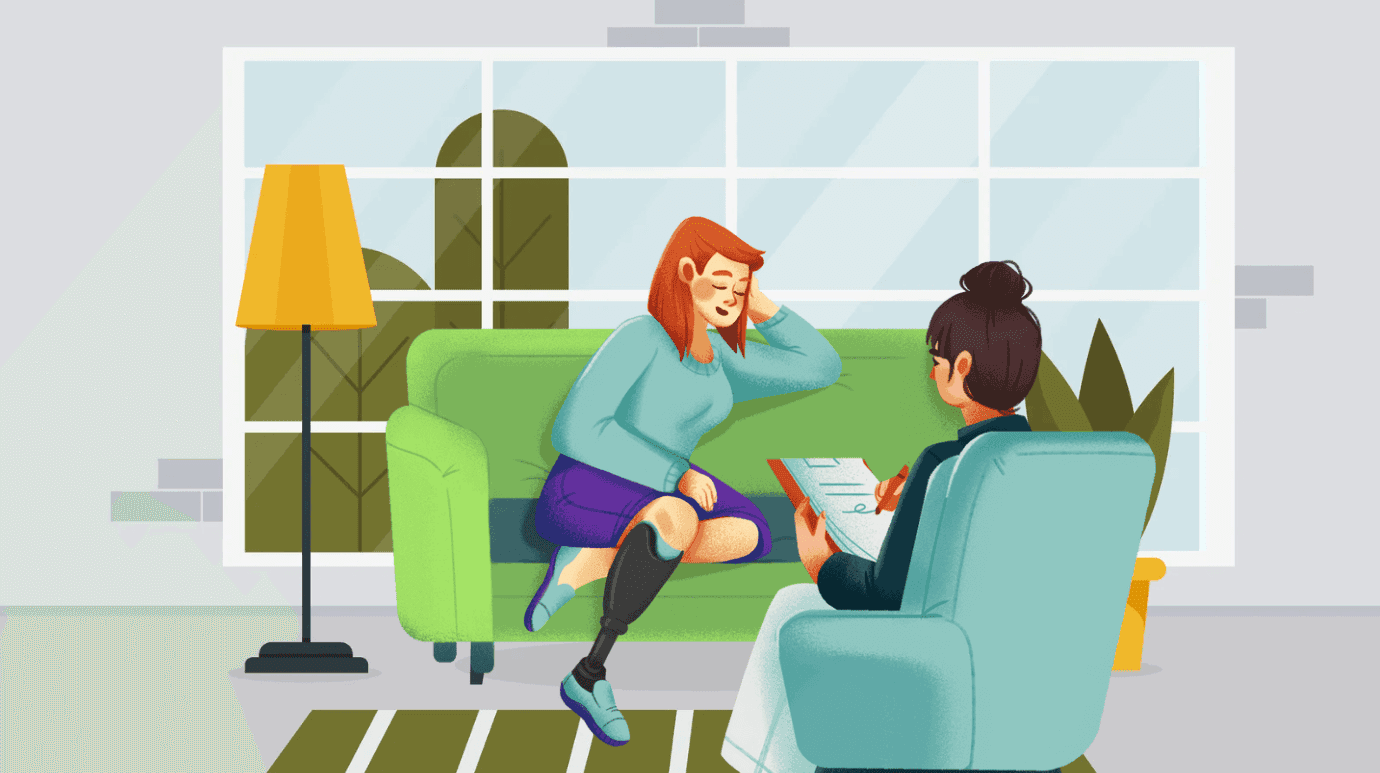
Individual therapy forms the cornerstone of PTSD treatment, but group therapy can provide additional benefits that complement one-on-one work. Trauma survivors often feel isolated and different from others, believing that no one can understand their experiences. Group therapy breaks through this isolation by connecting people with others who have faced similar challenges.
Group settings allow participants to share coping strategies, provide mutual support, and witness others' recovery processes. Seeing fellow group members make progress can instill hope and motivation. Additionally, helping others in the group can restore a sense of purpose and self-worth that trauma sometimes diminishes.
Many communities offer specialized PTSD support groups, and some therapists facilitate groups specifically for trauma survivors. These groups may focus on specific types of trauma, such as military combat, childhood abuse, or accidents, allowing participants to connect with others who have faced similar experiences.
Finding the Right Treatment Approach
Choosing the most appropriate therapy for PTSD involves several considerations. The type of trauma, severity of symptoms, presence of other mental health conditions, and personal preferences all influence treatment selection. Some people benefit from starting with one approach and later incorporating others, while some find success combining different therapeutic methods from the beginning.
Location can also influence treatment options. Large urban areas like Los Angeles, CA and Brooklyn, NY typically offer more variety in terms of available therapists and specialized programs. However, many smaller cities like Denver, CO also have qualified trauma specialists, and telehealth has expanded access to expert care regardless of geographic location.
The therapeutic relationship itself plays a crucial role in treatment success. Feeling comfortable, understood, and safe with your therapist is essential, particularly when working with trauma. Many people benefit from consulting with several therapists before choosing one, ensuring they find someone who feels like the right fit.
The Recovery Process
Recovery from PTSD is rarely linear. Most people experience gradual improvement with occasional setbacks, and this pattern is completely normal. Early in treatment, symptoms might temporarily increase as people begin processing avoided memories and emotions. This phase, while difficult, often indicates that therapy is working.
Different people respond to treatment at different rates. Some notice improvements within a few weeks, while others require several months or longer to experience significant change. Factors such as the nature of the trauma, duration of symptoms, social support, and other life stressors all influence the timeline of recovery.
Recovery doesn't necessarily mean forgetting the trauma or never feeling affected by it. Instead, successful treatment typically involves developing the skills and perspective needed to live fully despite having experienced trauma. Many trauma survivors describe feeling stronger and more resilient after treatment, having developed new coping skills and a deeper understanding of their own strength.
Building a Support System
While professional therapy provides the foundation for PTSD recovery, a broader support system enhances treatment effectiveness. Family members and friends can learn about PTSD and how to provide appropriate support. Sometimes loved ones benefit from their own therapy or support groups to help them understand and cope with how trauma has affected their relationships.
Peer support programs, where trauma survivors help others who are earlier in their recovery journey, can be particularly meaningful. These programs allow people to use their experiences in service of others while continuing their own healing process.
Recovery from PTSD is absolutely possible with appropriate treatment and support. If you're struggling with symptoms following a traumatic experience, reaching out to a qualified mental health professional can be the first step toward reclaiming your life and finding peace again.