Understanding PTSD: Symptoms, Causes, and Treatment Options
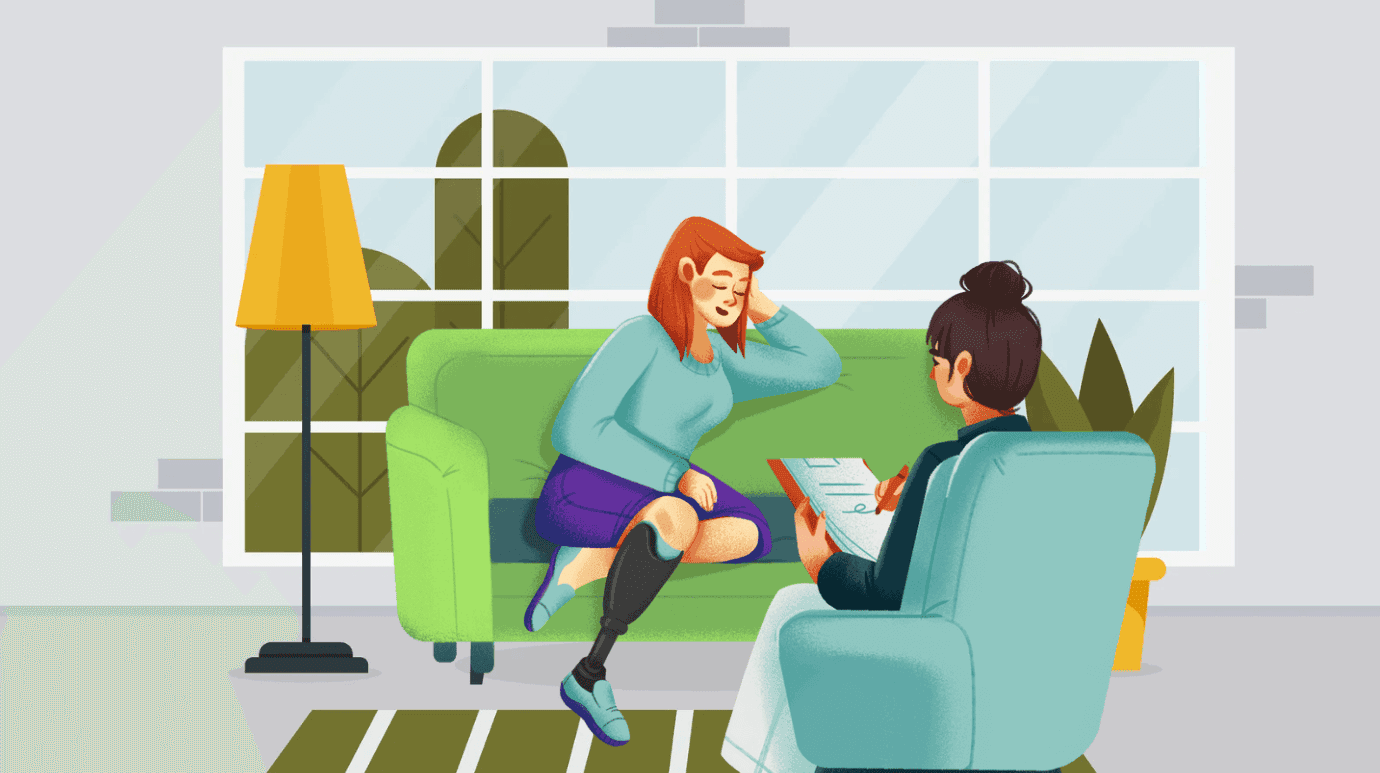
Sarah hadn't slept through the night in months. The car accident that left her with minor physical injuries had created invisible wounds that proved far more challenging to heal. Every time she closed her eyes, she could hear the screech of brakes and feel the impact all over again. What Sarah was experiencing is post-traumatic stress disorder (PTSD), a mental health condition that develops after experiencing or witnessing a traumatic event.
PTSD affects approximately 3.5% of American adults each year, with women being twice as likely as men to develop the condition. While often associated with military combat, PTSD can result from various traumatic experiences including accidents, natural disasters, violent crimes, or childhood abuse. Understanding this complex condition represents the first step toward healing and recovery.
What Exactly Is PTSD?
Post-traumatic stress disorder occurs when the brain's natural stress response system becomes stuck in "high alert" mode following a traumatic event. Unlike typical stress reactions that fade over time, PTSD symptoms persist and can actually worsen without proper treatment. The condition fundamentally alters how the brain processes memories, emotions, and perceived threats.
The diagnostic criteria for PTSD requires that symptoms persist for more than one month and cause significant distress or impairment in daily functioning. Not everyone who experiences trauma will develop PTSD, but those who do often find their symptoms interfering with work, relationships, and overall quality of life.
What makes PTSD particularly challenging is how it affects different brain regions. The amygdala, responsible for detecting threats, becomes hyperactive, while the prefrontal cortex, which helps regulate emotional responses, may become less effective. This neurobiological imbalance explains why people with PTSD often feel constantly on edge or struggle to think clearly during stressful situations.
Recognizing PTSD Symptoms
PTSD symptoms fall into four main categories, each affecting individuals differently. Intrusive symptoms include flashbacks, nightmares, and unwanted memories that feel as vivid and distressing as the original trauma. These episodes can be triggered by seemingly innocent reminders like certain sounds, smells, or locations.
Avoidance behaviors represent another core symptom cluster. People with PTSD often go to great lengths to avoid trauma-related triggers, which might mean avoiding certain places, activities, or even people who remind them of the traumatic event. While avoidance might provide temporary relief, it often reinforces the trauma's power over daily life.
Negative changes in mood and thinking form the third symptom category. This can include persistent negative beliefs about oneself or the world, such as "nowhere is safe" or "I'm completely helpless." Many people with PTSD experience emotional numbing, finding it difficult to feel positive emotions or maintain close relationships.
Alterations in arousal and reactivity make up the final symptom group. These symptoms include hypervigilance, exaggerated startle responses, difficulty concentrating, sleep problems, and irritability. Someone might constantly scan their environment for potential threats or react intensely to unexpected noises.
Common Causes and Risk Factors
Traumatic events that can lead to PTSD vary widely in nature and severity. Motor vehicle accidents, like Sarah's experience, represent one of the most common triggers in civilian populations. Natural disasters, violent crimes, military combat, childhood abuse, and sudden loss of loved ones can all potentially result in PTSD development.
Certain factors increase the likelihood of developing PTSD after trauma exposure. Previous trauma experiences, family history of mental health conditions, lack of social support, and additional stressors occurring around the time of trauma can all elevate risk. Additionally, the nature of the trauma itself matters. Events involving interpersonal violence or betrayal of trust often carry higher risk than accidents or natural disasters.
Personal resilience factors can also influence PTSD development. Strong social support systems, healthy coping strategies, and previous positive experiences managing stress can serve as protective factors. However, anyone can develop PTSD regardless of their background or perceived strength.
Geographic location can sometimes influence both trauma exposure and access to treatment resources. Major metropolitan areas like New York, NY, Chicago, IL, and Los Angeles, CA typically offer more specialized trauma treatment options, while residents of smaller communities might need to travel further for care. Cities like Brooklyn, NY, and Denver, CO have also expanded their mental health services in recent years to better serve trauma survivors.
Effective Treatment Approaches
Professional treatment can significantly reduce PTSD symptoms and help individuals reclaim their lives. Multiple evidence-based approaches have proven effective, often used in combination for optimal results. The key lies in finding the right therapeutic approach and qualified professional for each individual's specific needs.
Cognitive Behavioral therapy represents one of the most extensively researched treatments for PTSD. CBT helps individuals identify and change negative thought patterns and behaviors that maintain trauma symptoms. Through CBT, people learn to challenge catastrophic thinking, develop healthy coping strategies, and gradually face avoided situations in a controlled, supportive environment.
Trauma Focused therapies specifically address the traumatic memories and their associated symptoms. These approaches often involve carefully processing traumatic memories while building skills to manage emotional responses. Techniques like Eye Movement Desensitization and Reprocessing (EMDR) fall into this category, helping the brain process traumatic memories more effectively.
Person-Centered therapy provides a supportive, non-judgmental environment where individuals can explore their experiences at their own pace. This approach emphasizes the therapeutic relationship itself as healing, allowing trauma survivors to rebuild trust and self-acceptance gradually.
Strength-Based approaches focus on identifying and building upon existing resilience and coping abilities. Rather than viewing individuals solely through the lens of their trauma symptoms, these methods highlight personal resources and capabilities that can support recovery.
Medication Options
Antidepressant medications, particularly selective serotonin reuptake inhibitors (SSRIs), can help manage PTSD symptoms when combined with therapy. These medications may reduce intrusive thoughts, improve mood, and decrease hyperarousal symptoms. Other medications might address specific symptoms like sleep disturbances or severe anxiety.
Medication decisions should always involve careful consultation with a qualified healthcare provider who can assess individual needs, potential benefits, and possible side effects. The most effective treatment plans often combine medication with psychotherapy approaches.
The Recovery Journey
PTSD recovery rarely follows a straight line. Healing typically involves periods of progress alternating with temporary setbacks, which represents a normal part of the recovery process rather than treatment failure. Building a strong support network, practicing self-care, and maintaining realistic expectations all contribute to long-term success.
Many people with PTSD find that their relationships with family and friends require attention during recovery. Trauma can strain relationships, but it can also deepen connections when loved ones understand the condition and participate supportively in the healing process.
Recovery doesn't necessarily mean returning to exactly how things were before the trauma. Many individuals discover new strengths, deeper relationships, and clearer priorities through their healing journey. This post-traumatic growth represents a meaningful outcome that extends beyond symptom reduction.
Moving Forward
PTSD represents a serious but treatable condition. With proper professional support, the overwhelming symptoms that currently dominate daily life can become manageable, allowing individuals to reconnect with their values, relationships, and goals. Treatment works, and recovery is possible even for those who have struggled with symptoms for years.
If you recognize PTSD symptoms in yourself or a loved one, reaching out for professional help represents a crucial step toward healing. Mental health professionals trained in trauma treatment can provide the specialized care needed to address PTSD effectively and support long-term recovery.