Understanding Trauma: Symptoms, Causes, and Treatment
Sarah thought she had moved past the car accident that happened three years ago. She returned to driving, went back to work, and told everyone she was fine. Yet certain sounds still made her heart race, sleep remained elusive, and she found herself avoiding highways whenever possible. What Sarah didn't realize was that trauma had left lasting imprints on both her mind and body, affecting her in ways she hadn't connected to that frightening night.
Trauma represents one of the most misunderstood aspects of mental health. Many people associate it only with dramatic events like combat or natural disasters, but trauma can result from any experience that overwhelms a person's ability to cope. The effects extend far beyond the initial event, creating ripple effects that can influence relationships, work performance, and overall quality of life for months or even years afterward.
What Trauma Really Means
Trauma occurs when someone experiences or witnesses an event that threatens their physical or emotional safety. The brain's natural response system becomes overwhelmed, unable to process the experience in the usual way. This can happen during childhood abuse, accidents, violent crimes, medical emergencies, or sudden losses. Even experiences that might seem minor to others can be traumatic if they exceed someone's capacity to handle stress at that moment.
The key factor isn't the objective severity of an event, but rather how it affects the individual. A child who experiences consistent criticism might develop trauma responses similar to someone who survived a physical attack. Both experiences can leave the nervous system in a state of chronic alert, scanning for danger even when safety has been restored.
Different types of trauma create varying effects. Acute trauma results from a single incident, while complex trauma develops from repeated or prolonged exposure to distressing situations. Developmental trauma occurs during childhood when the brain is still forming, potentially affecting how someone learns to regulate emotions and form relationships throughout life.
Recognizing Trauma's Many Faces
Trauma symptoms rarely announce themselves clearly. Instead, they often masquerade as other problems or seem unrelated to past experiences. Someone might struggle with concentration at work, experience unexplained physical pain, or find themselves unusually irritable without connecting these changes to a traumatic event.
Emotional and Psychological Signs
Anxiety frequently accompanies trauma, but not always in obvious ways. Someone might feel generally on edge, experience panic attacks, or develop specific phobias related to their traumatic experience. Depression can also emerge, characterized by persistent sadness, loss of interest in previously enjoyed activities, or feelings of hopelessness about the future.
Many trauma survivors report feeling emotionally numb, as if they're watching their lives from a distance. Others experience intense mood swings, shifting rapidly between anger, sadness, and fear. Guilt and shame often persist, especially when someone believes they could have prevented what happened or responded differently.
Physical Manifestations
The body holds trauma in surprising ways. Chronic headaches, digestive issues, muscle tension, and unexplained pain can all stem from traumatic stress. Sleep disturbances are common, including difficulty falling asleep, staying asleep, or experiencing nightmares that may or may not directly relate to the traumatic event.
Hypervigilance creates a constant state of alertness, making it difficult to relax even in safe environments. Some people develop an exaggerated startle response, jumping at sudden movements or sounds. Others might experience dissociation, feeling disconnected from their body or surroundings during stressful moments.
Behavioral Changes
Trauma often leads to avoidance behaviors. Someone might stop driving after a car accident, avoid crowds after an assault, or refuse medical care after a traumatic hospital experience. While these responses initially feel protective, they can gradually limit someone's life in significant ways.
Relationships frequently suffer as trauma affects the ability to trust others or feel emotionally available. Some people become withdrawn and isolated, while others might engage in risky behaviors or struggle with substance use as a way to cope with overwhelming emotions.
The Roots of Traumatic Stress
Understanding how trauma develops helps explain why recovery requires more than simply "getting over it." When someone faces a threat, their brain activates the fight-or-flight response, flooding the body with stress hormones like adrenaline and cortisol. Normally, this response resolves once danger passes, but trauma can leave this system stuck in the "on" position.
The brain processes traumatic memories differently than regular memories. Instead of being filed away as completed experiences, they can remain active and vivid, causing the person to feel as if the trauma is happening again when triggered by certain sights, sounds, smells, or situations.
Childhood experiences particularly influence how someone responds to trauma later in life. Growing up in an environment with consistent safety and emotional support builds resilience, while adverse childhood experiences can make someone more vulnerable to developing trauma responses as an adult.
Social factors also play a significant role. Having strong support systems, stable housing, financial security, and access to healthcare all influence how someone recovers from trauma. Communities with higher rates of violence, poverty, or discrimination often see higher rates of trauma-related mental health conditions.
Pathways to Healing
Recovery from trauma is possible, though the journey looks different for each person. The most effective approaches recognize that trauma affects the whole person and requires attention to both psychological and physical healing.
Trauma-Focused Therapeutic Approaches
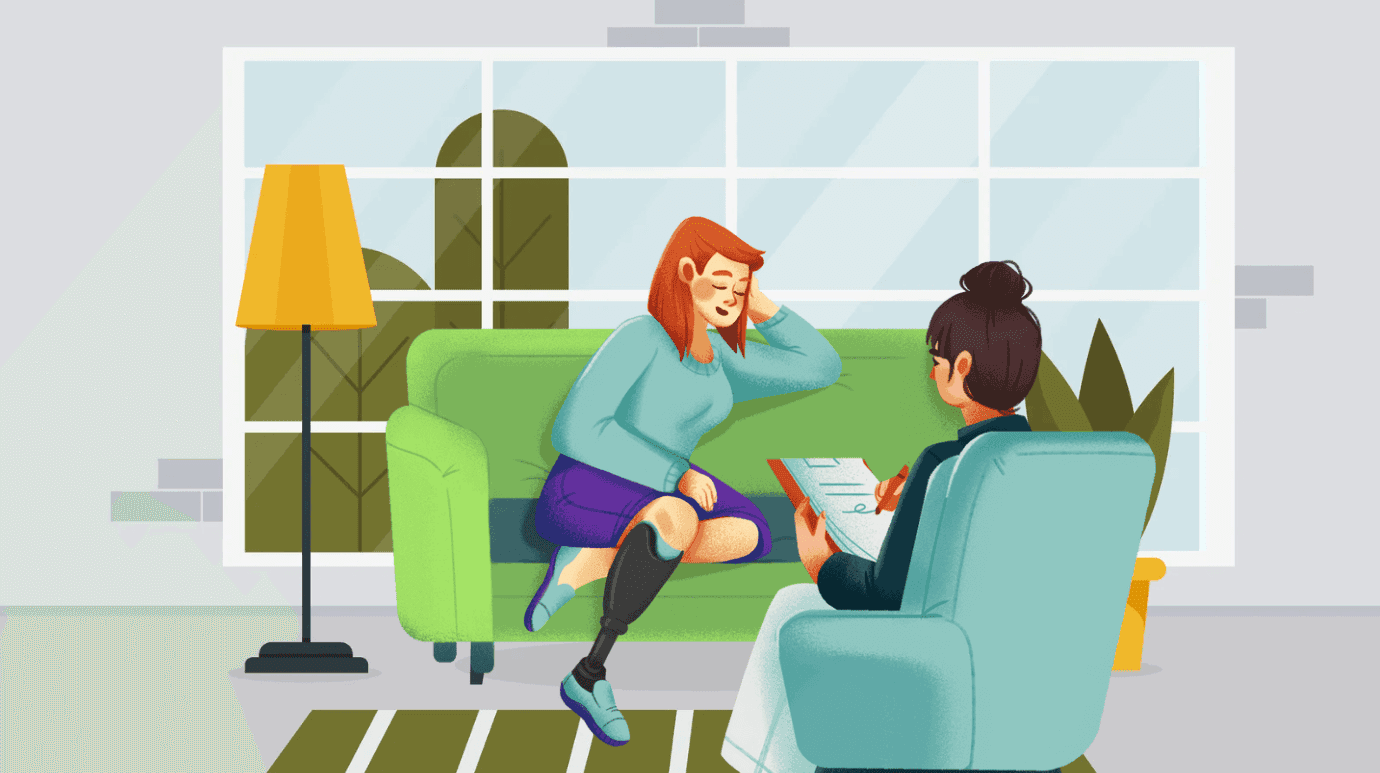
Trauma-focused therapy specifically addresses how traumatic experiences continue to affect someone's life. These specialized approaches help people process traumatic memories safely while building skills to manage symptoms. Therapists trained in trauma work understand how to create safety and stability before exploring difficult experiences.
Eye Movement Desensitization and Reprocessing (EMDR) helps the brain reprocess traumatic memories so they become less distressing. During EMDR sessions, clients recall traumatic experiences while engaging in bilateral stimulation, such as following a therapist's finger movements with their eyes. This technique appears to help the brain integrate traumatic memories more effectively.
Cognitive and Behavioral Interventions
Cognitive Behavioral Therapy (CBT) helps people identify and change thought patterns that maintain trauma symptoms. Someone might learn to recognize when they're catastrophizing about potential dangers or challenge beliefs about being permanently damaged by their experiences. CBT also includes practical strategies for managing anxiety, improving sleep, and gradually confronting avoided situations.
Exposure therapy, often used within a CBT framework, helps people safely confront trauma-related triggers in a controlled environment. This might involve gradually returning to avoided locations, discussing traumatic experiences in detail, or imagining feared scenarios while learning that these activities are actually safe.
Building on Personal Strengths
Strength-based therapy focuses on identifying and building upon the resources and resilience someone already possesses. Rather than concentrating solely on symptoms and problems, this approach helps people recognize how they've survived difficult experiences and what personal qualities have helped them cope.
This perspective can be particularly valuable for trauma survivors who may feel broken or irreparably damaged. Recognizing existing strengths provides hope and builds confidence in one's ability to heal and grow beyond traumatic experiences.
The Power of Connection
Person-centered therapy emphasizes the therapeutic relationship as a vehicle for healing. For trauma survivors who may have experienced betrayal or harm from other people, developing a trusting relationship with a therapist can be profoundly healing in itself.
This approach honors each person's unique experience and pace of recovery. Therapists provide unconditional positive regard while helping clients reconnect with their own inner wisdom and capacity for growth.
Finding Professional Support
Trauma therapy requires specialized training and experience. Mental health professionals who work with trauma understand how to create safety, avoid retraumatization, and recognize when someone might need additional support or referrals to other services.
Major metropolitan areas often have numerous options for trauma-specialized care. Cities like New York, NY and Los Angeles, CA typically offer a wide range of trauma-informed therapists, including those who specialize in specific types of trauma or particular populations. Chicago, IL has developed numerous community-based trauma services, while Brooklyn, NY offers both private practice and community mental health options. Even smaller cities like Denver, CO have growing networks of trauma-informed mental health professionals.
When seeking trauma treatment, consider factors like the therapist's specific training, their approach to treatment, and whether you feel comfortable in their presence. Trauma therapy works best when there's a good fit between client and therapist, so don't hesitate to ask questions during initial consultations.
Recovery from trauma takes time and patience, but healing is possible. With appropriate support and treatment, people can move beyond survival mode and reclaim their lives. Professional therapy provides the tools, support, and safety needed to process difficult experiences and build a foundation for lasting recovery.